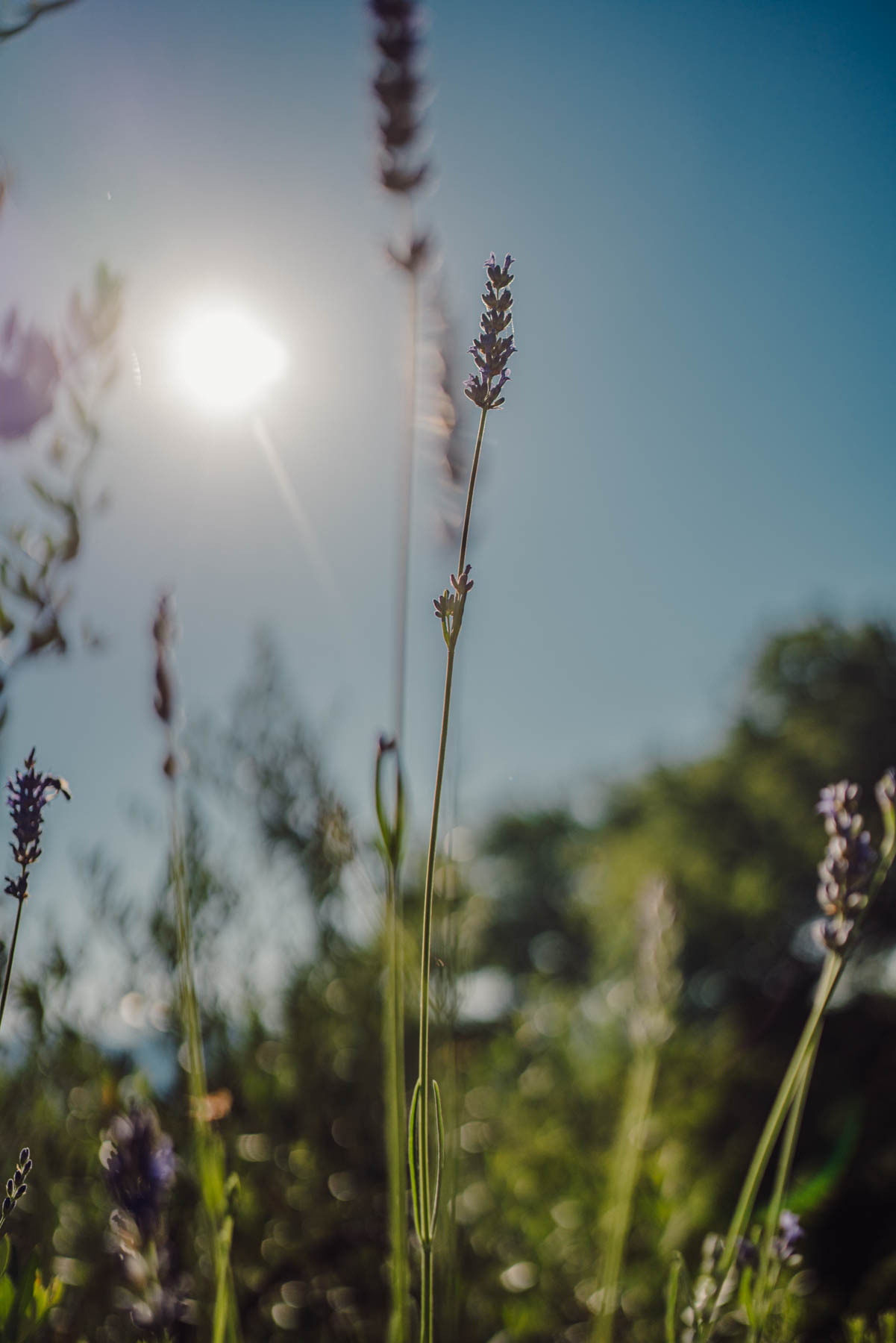
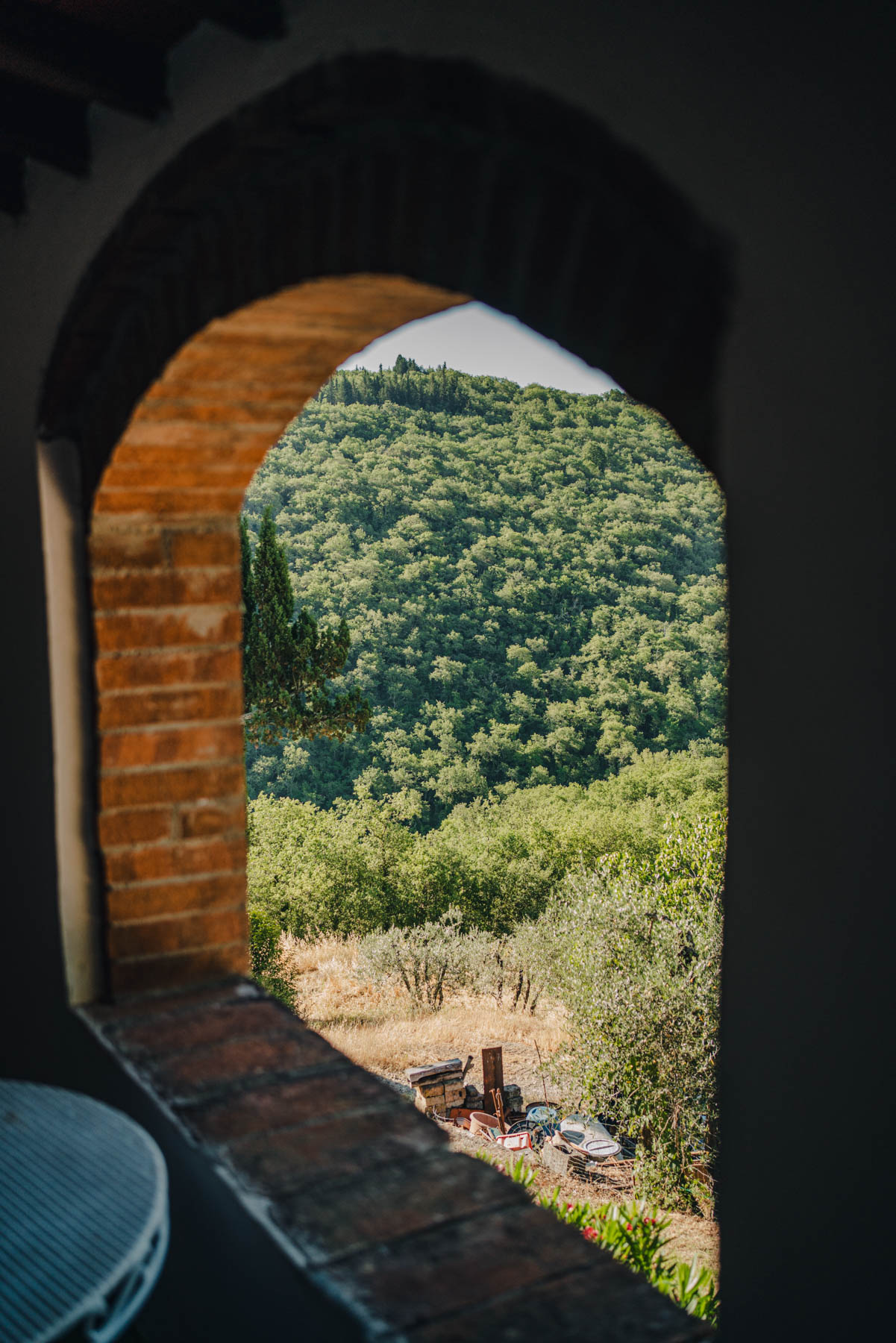
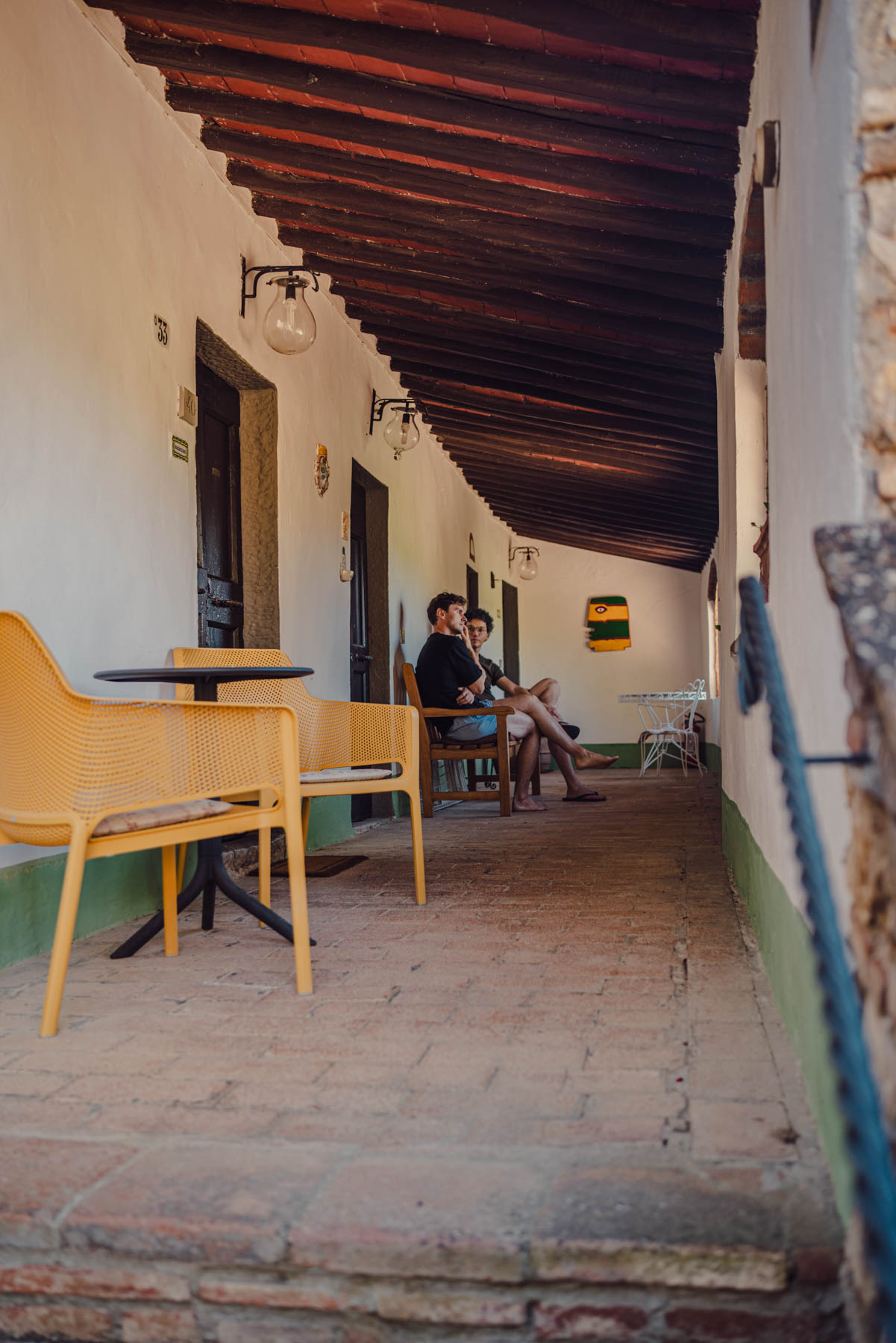
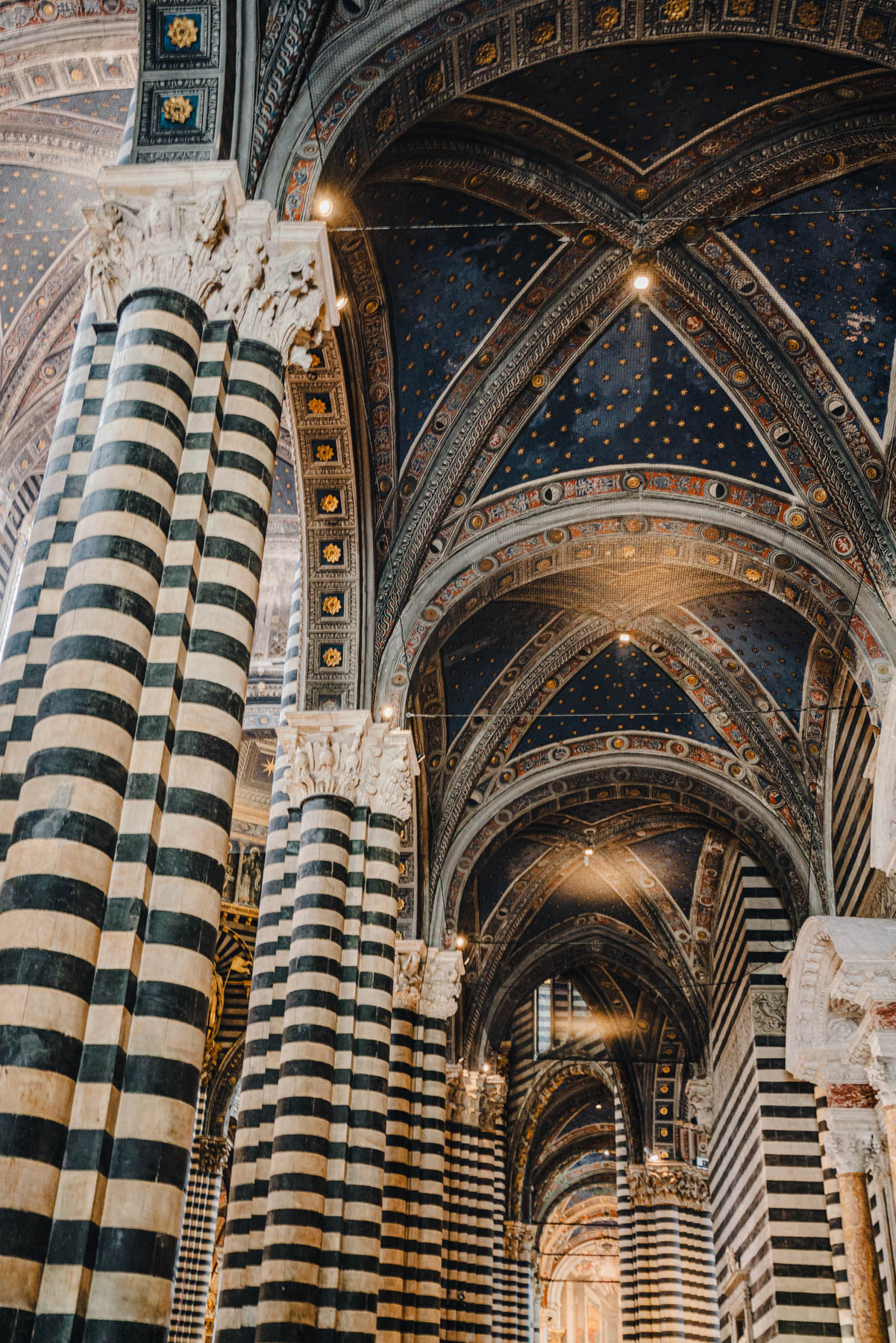
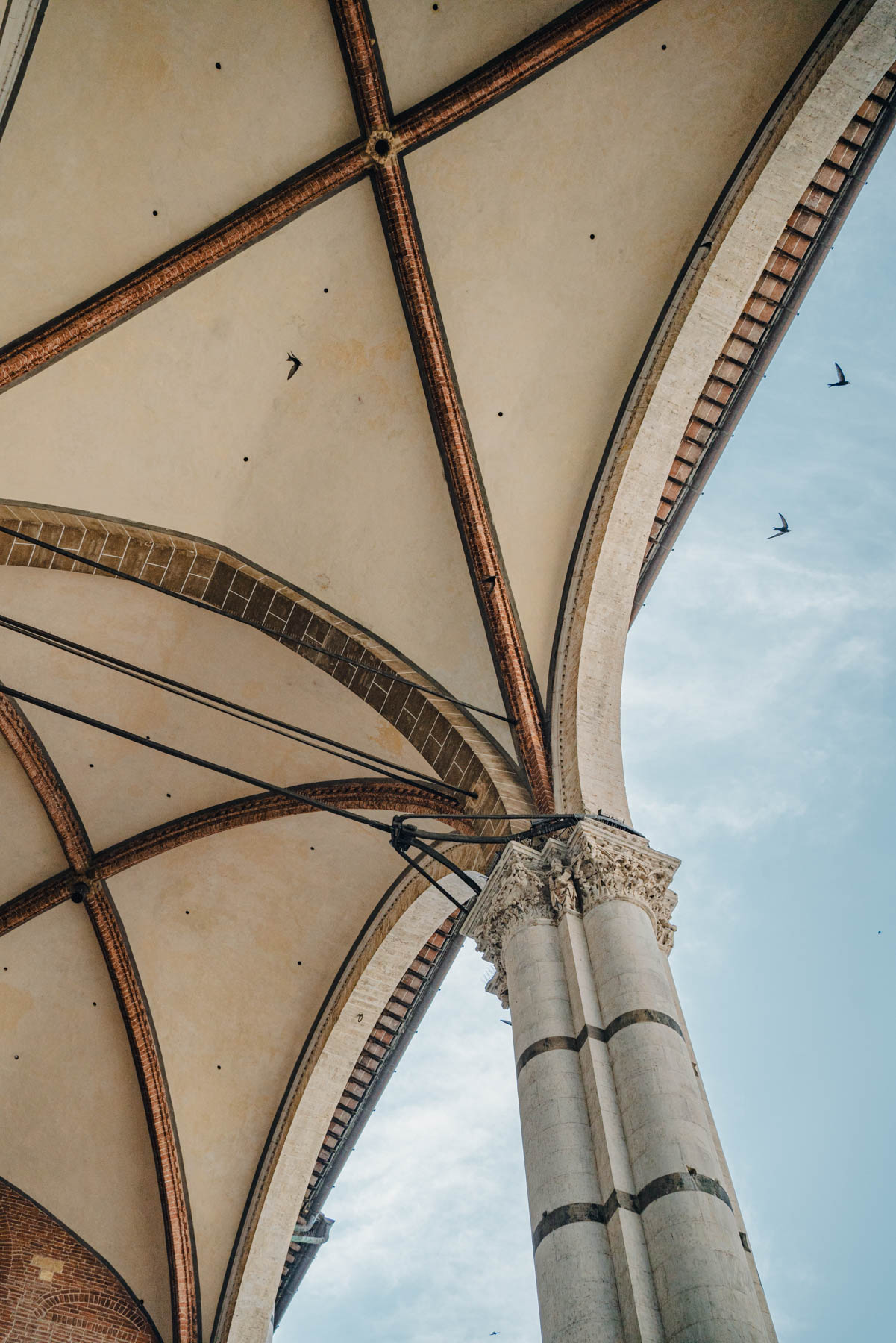
In Tuscany, the past is not confined to museums. The Middle Ages and the Renaissance are part of everyday life. As you move through the landscape and its cities, you don’t simply travel from one place to another — you travel through centuries of cultural history.
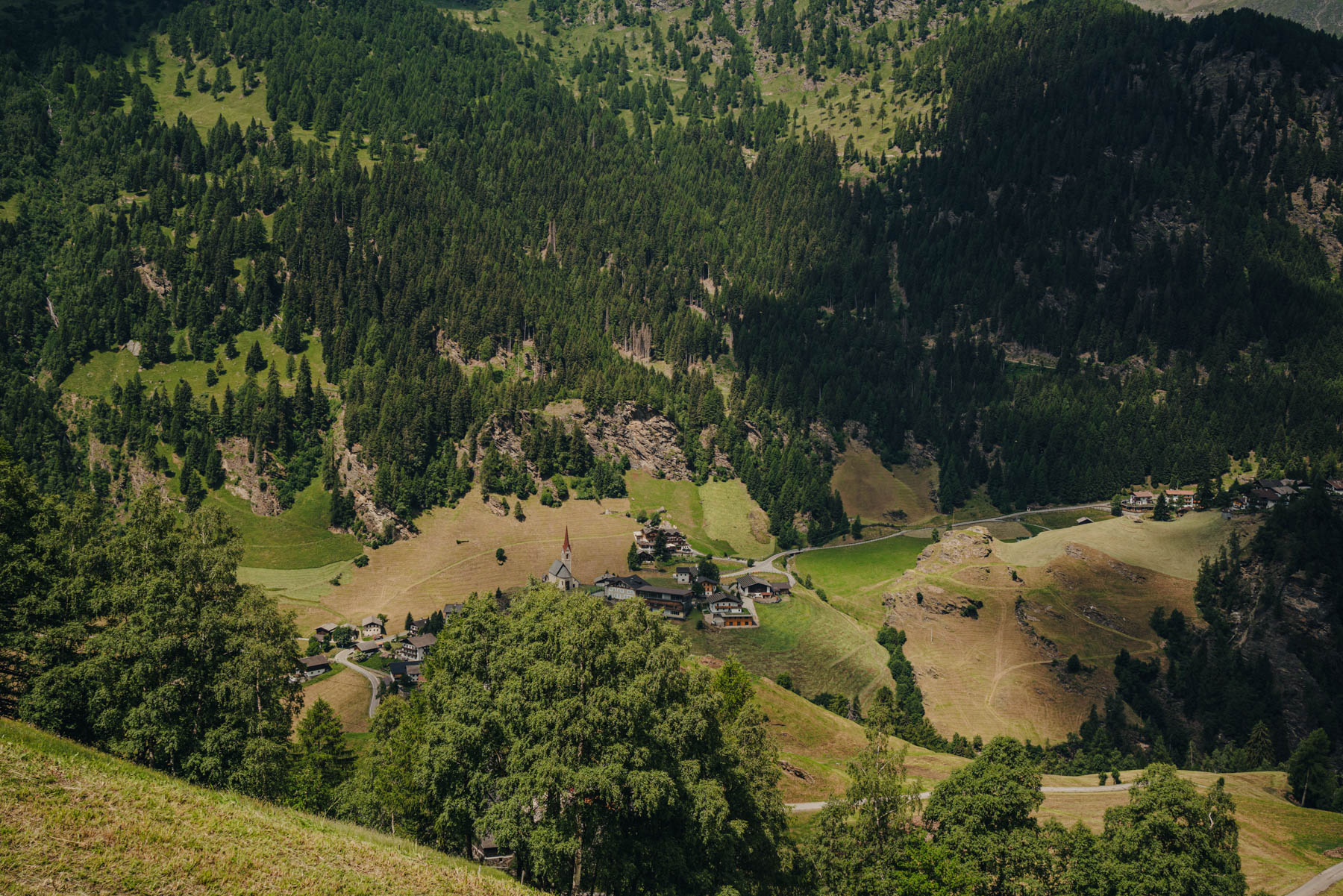
There is a distinct feeling that time works differently here. It seems to slow down, stretch, perhaps even stop for a moment. The landscape becomes more than geography. It becomes a state of mind.
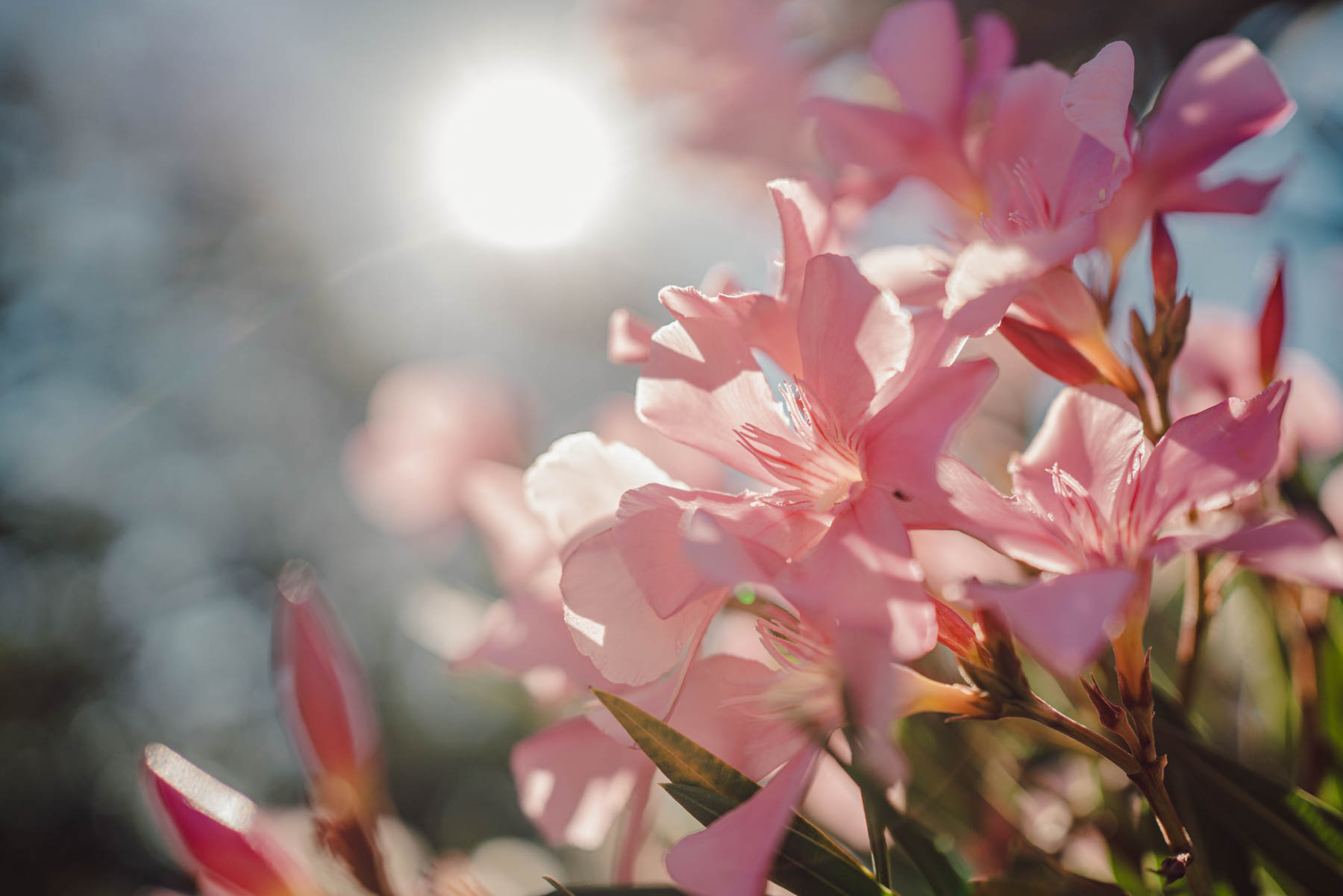
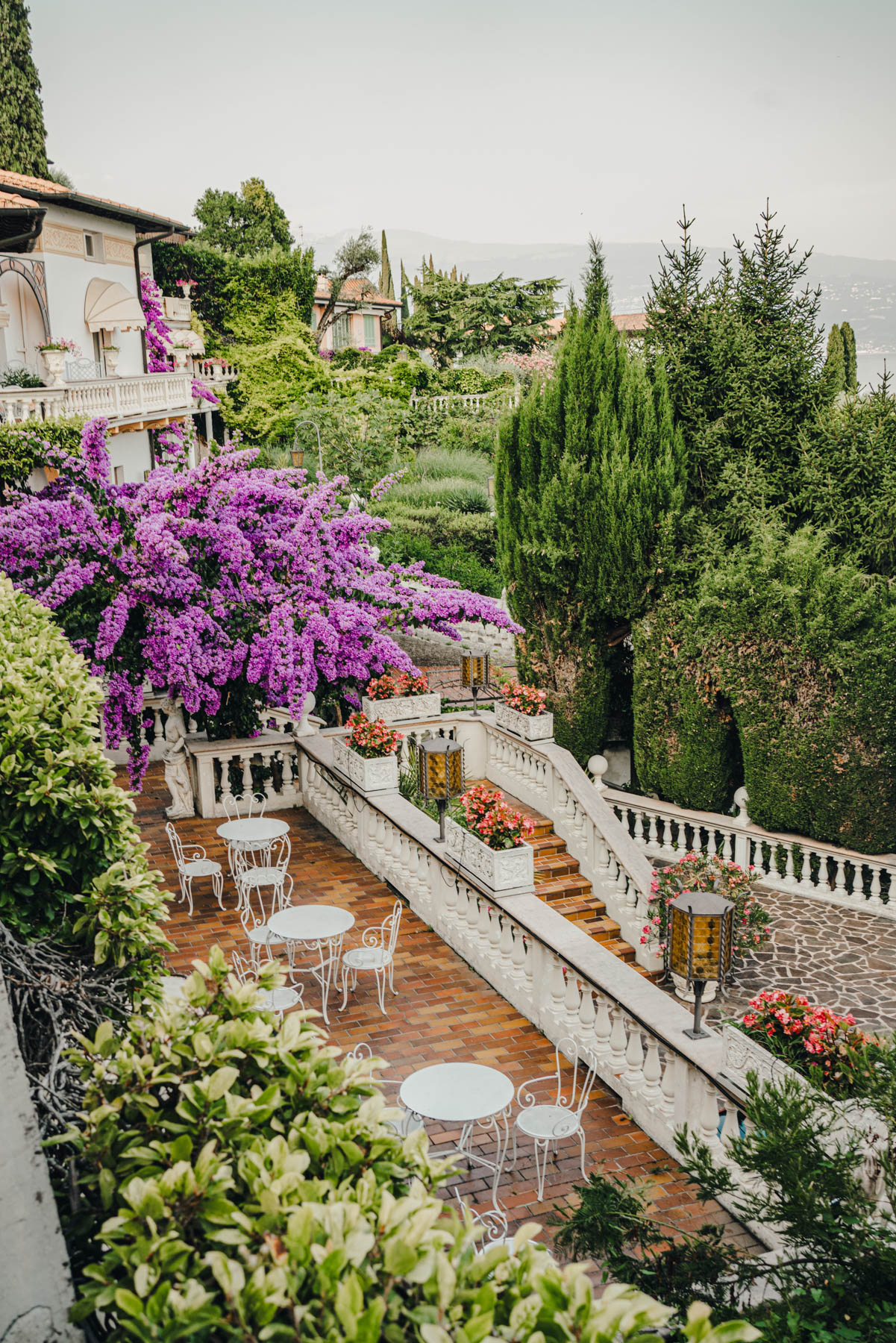
And then there are the colours. Italy is simply good for the eyes. Colours seem to exist in small explosions. How is it possible for fifteen different shades of pastel to exist in a single view without looking ridiculous? Maybe it’s the sheer amount of blue colours — sky, sea, mountain lakes — that makes everything else fall into place. Blue so intense you want to roll around in it like a horse in a meadow.
And then there is the food. Stop it right now.
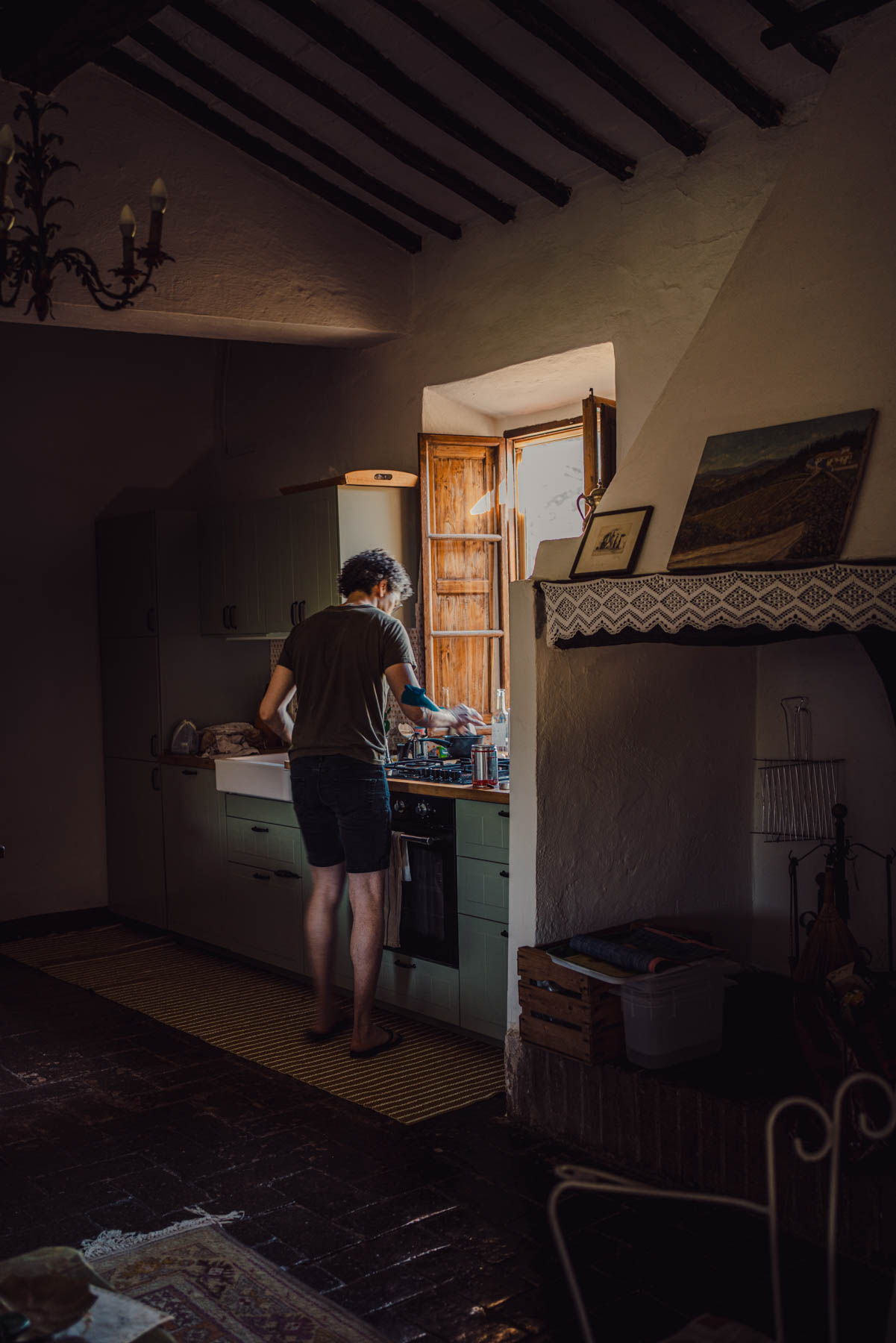
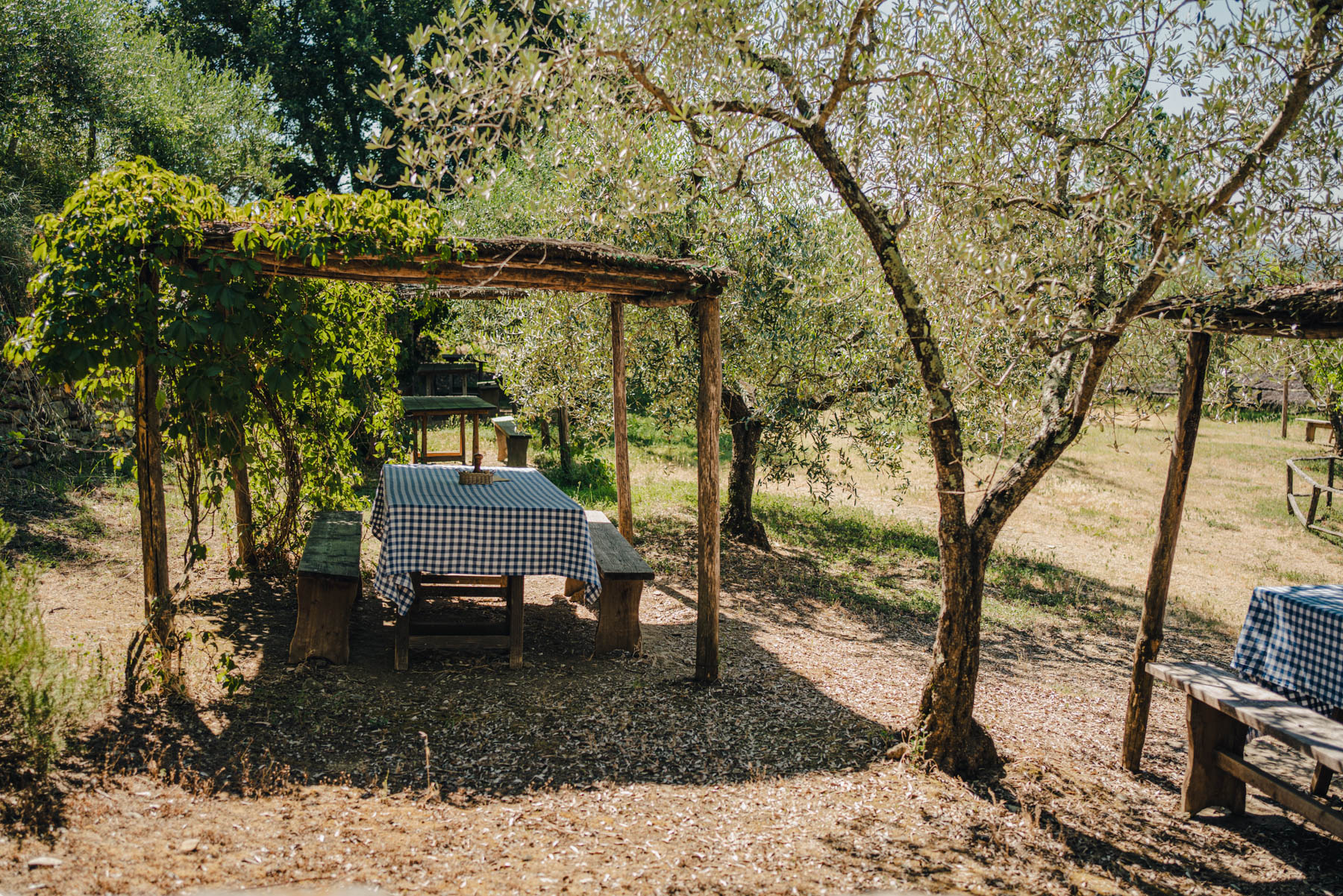
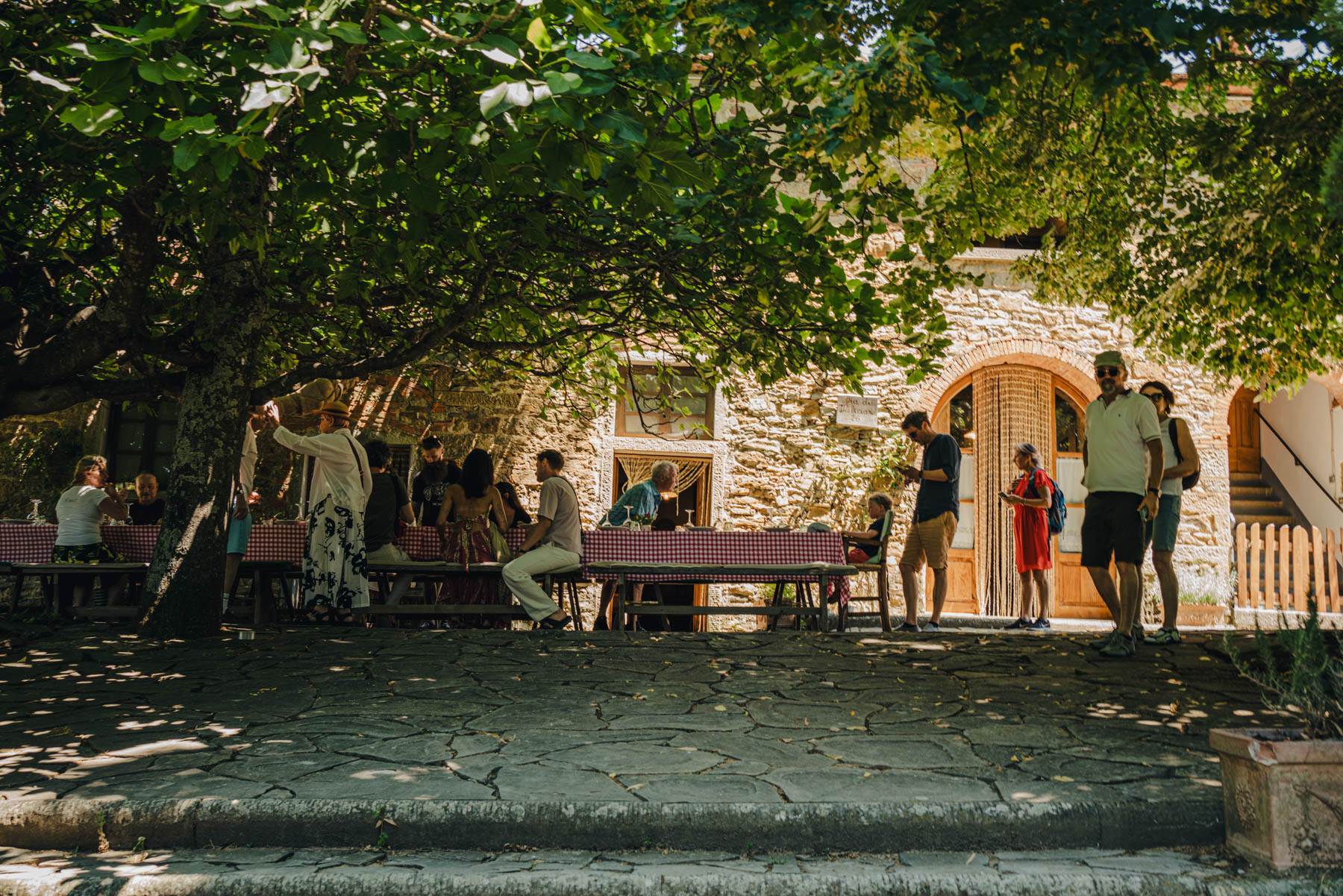
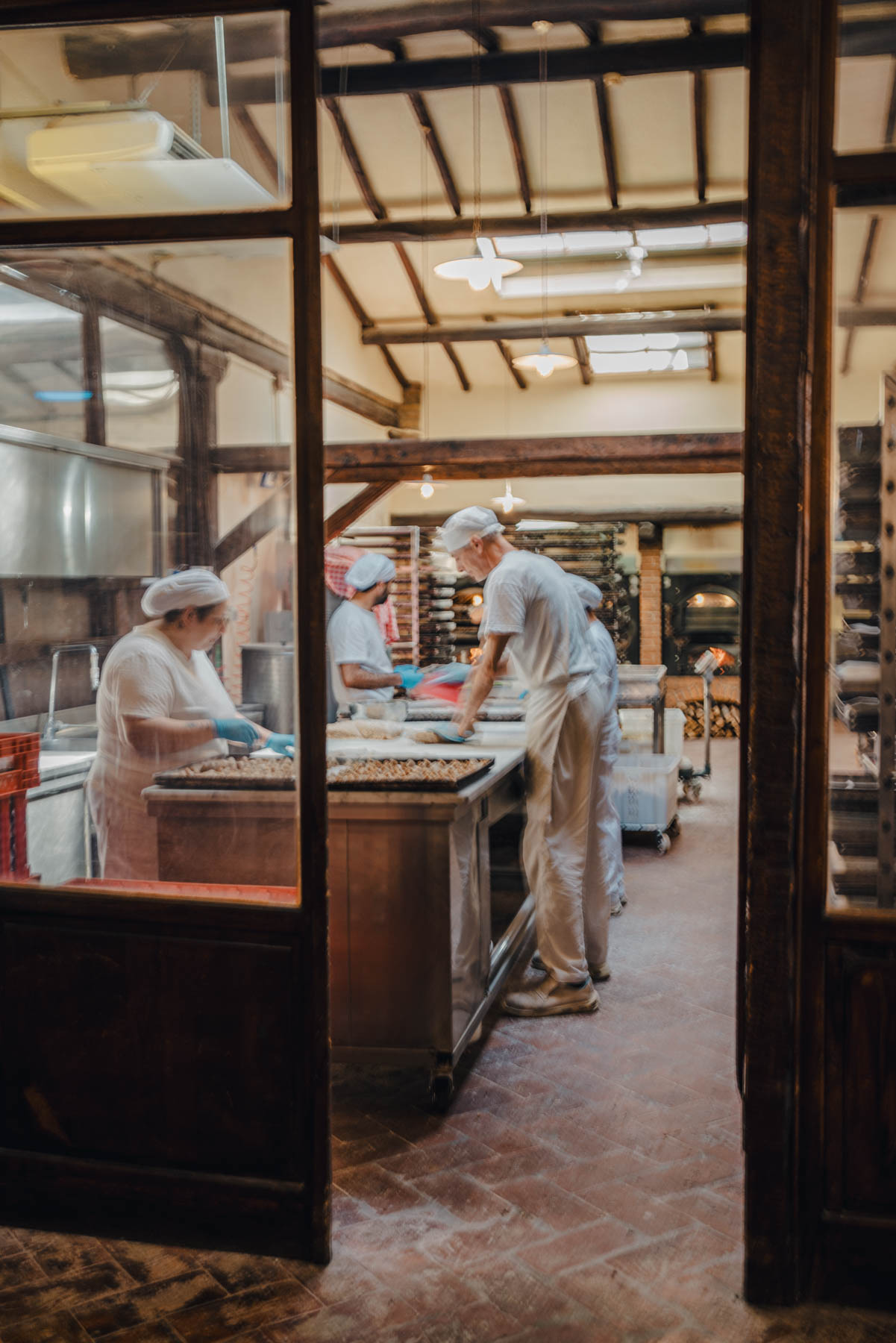
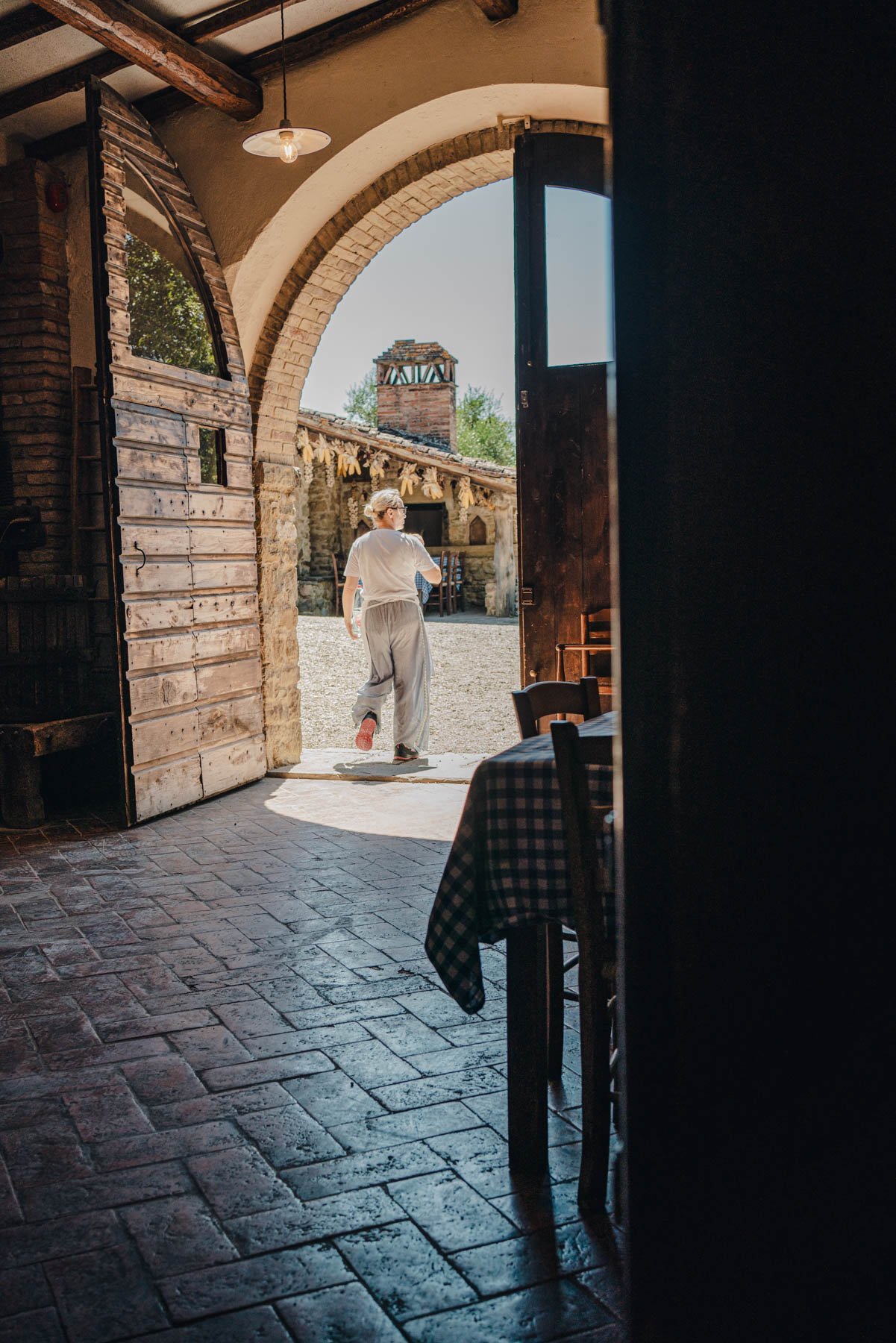
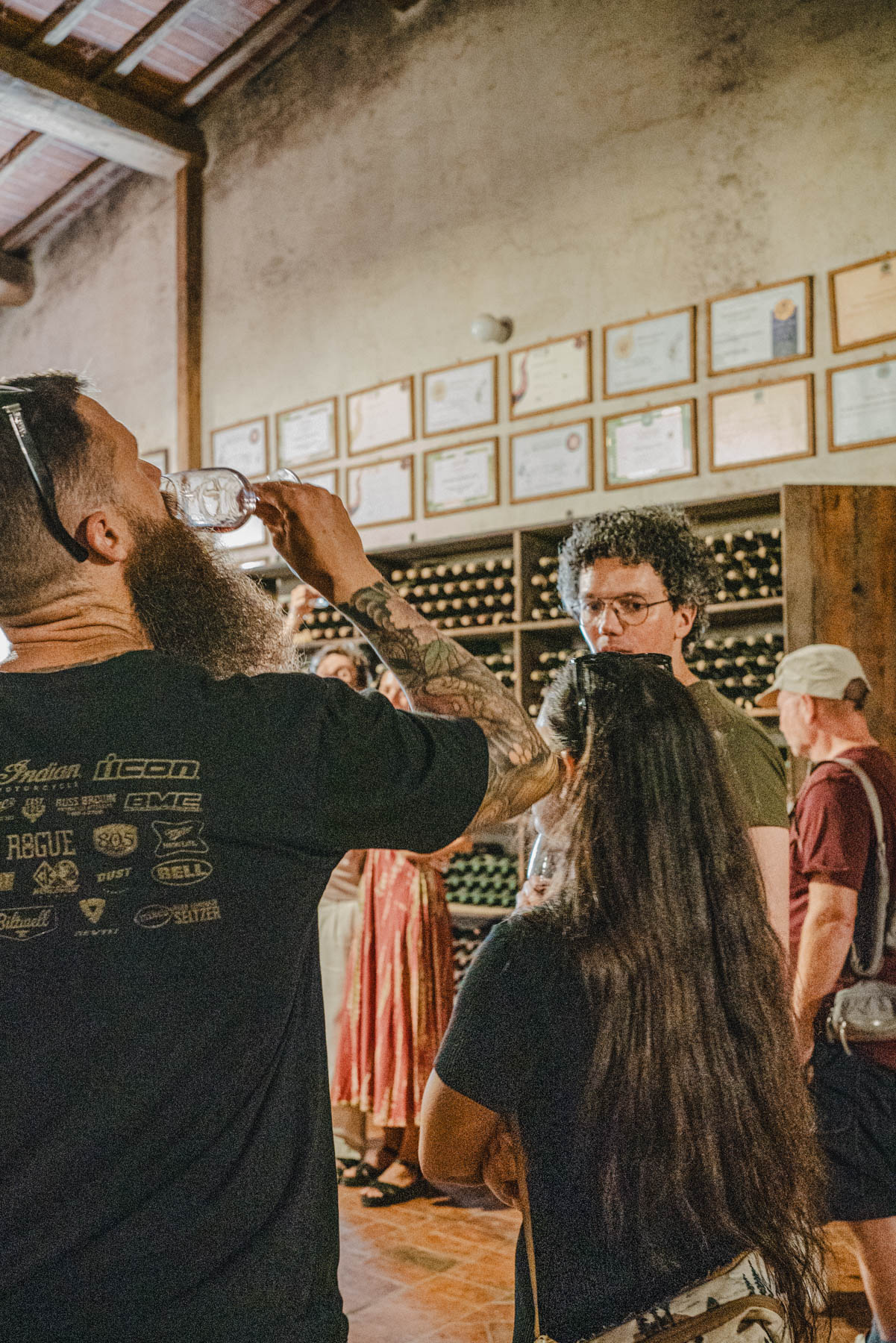
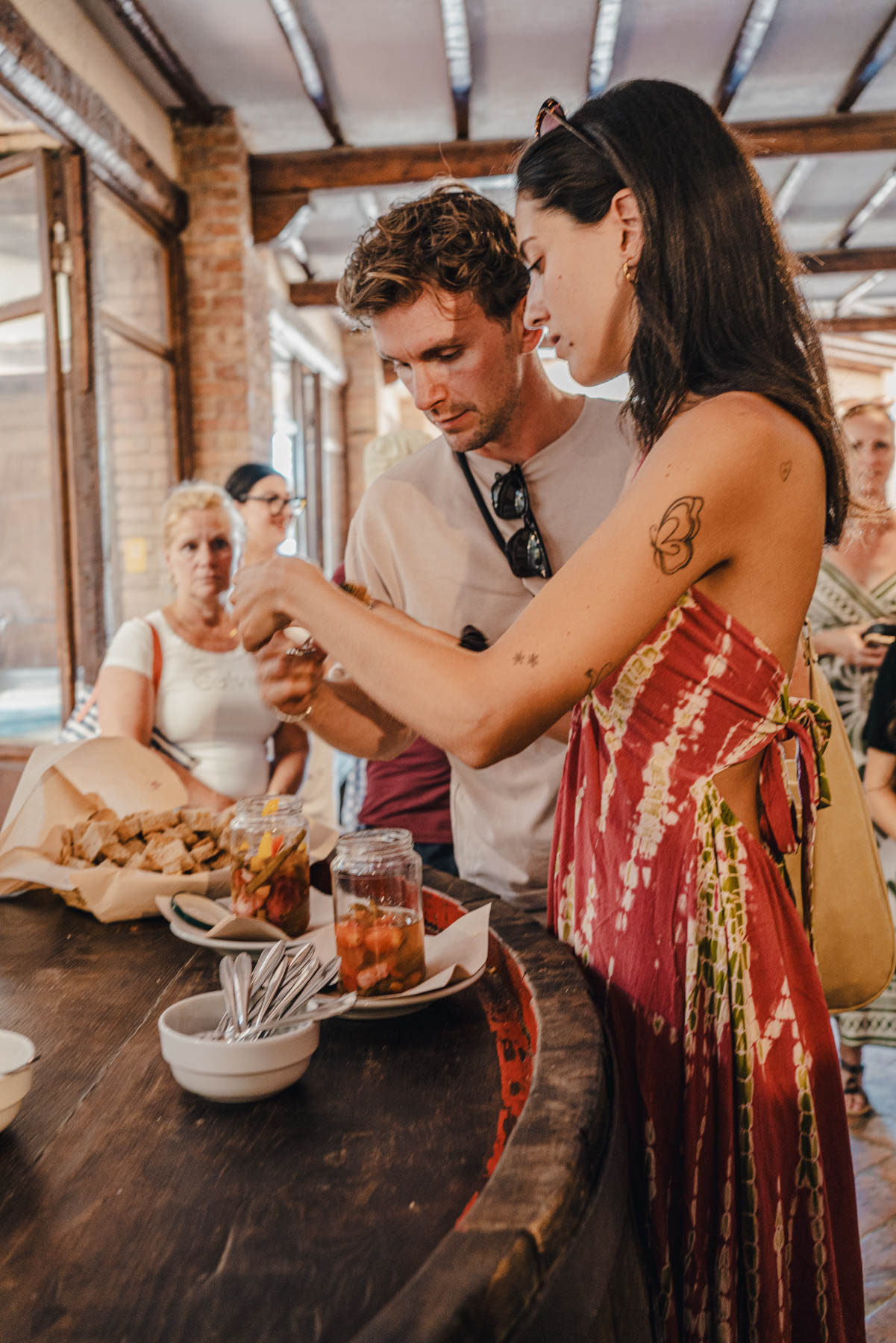
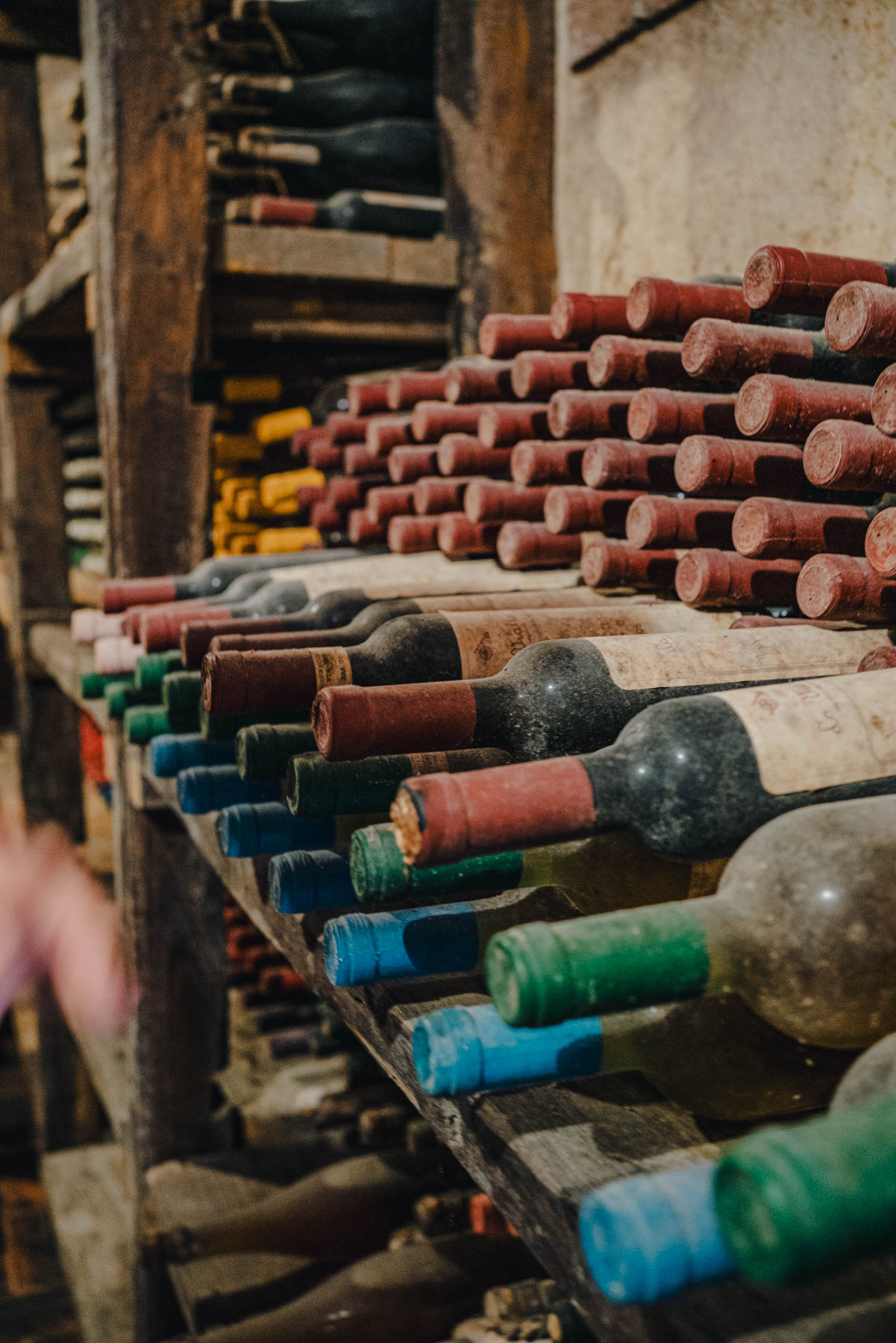
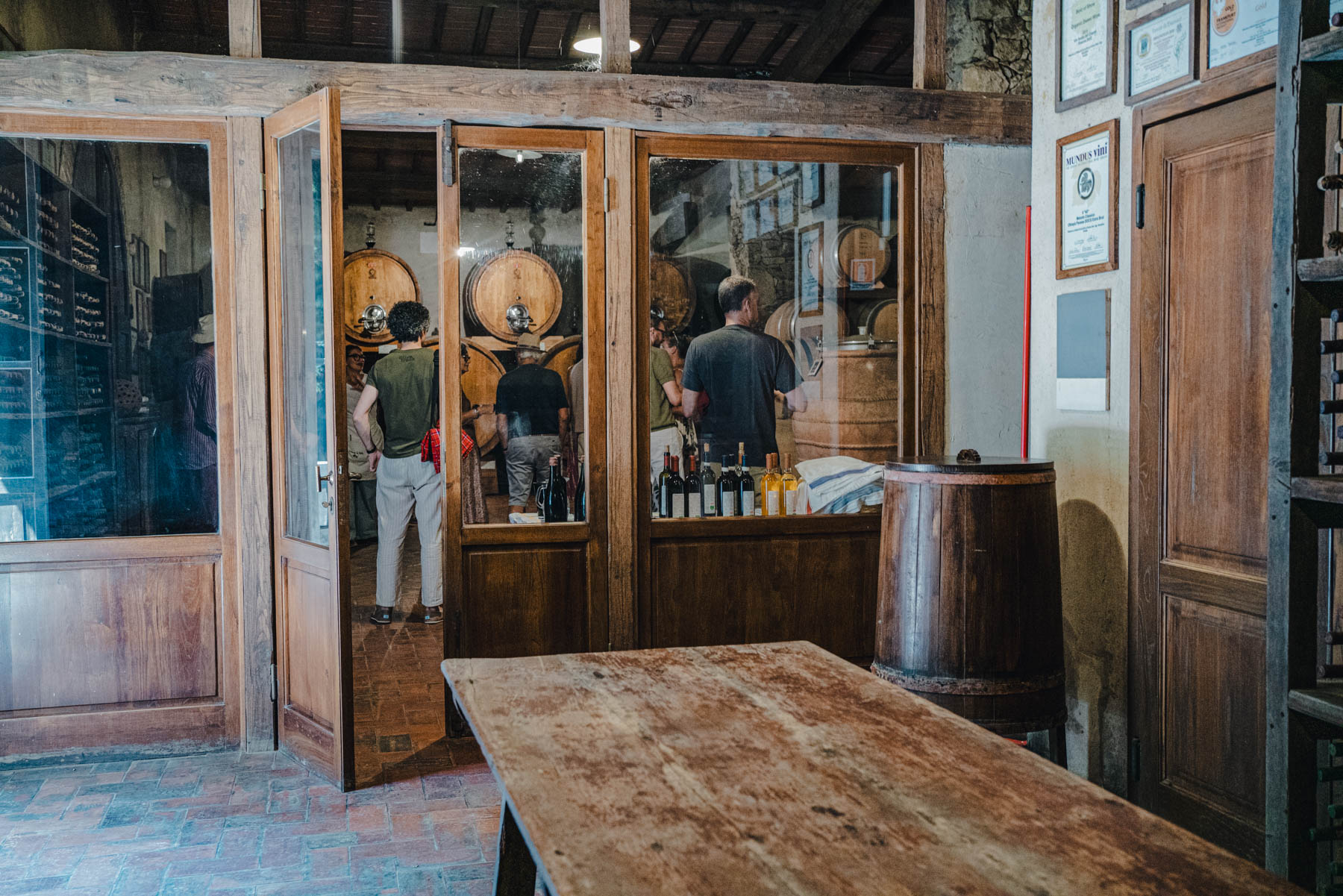
In Panzano in Chianti, Dario Cecchini opens the doors of his legendary butcher shop to us. Giant grills are loaded with enormous cuts of meat, flames rising beneath them. Further south, we visit a Demeter-certified farm, where lunch turns into a feast — every course accompanied by an exceptional wine, each one making you forget, briefly, that you are supposed to be riding motorcycles.
Our journey comes in three acts.
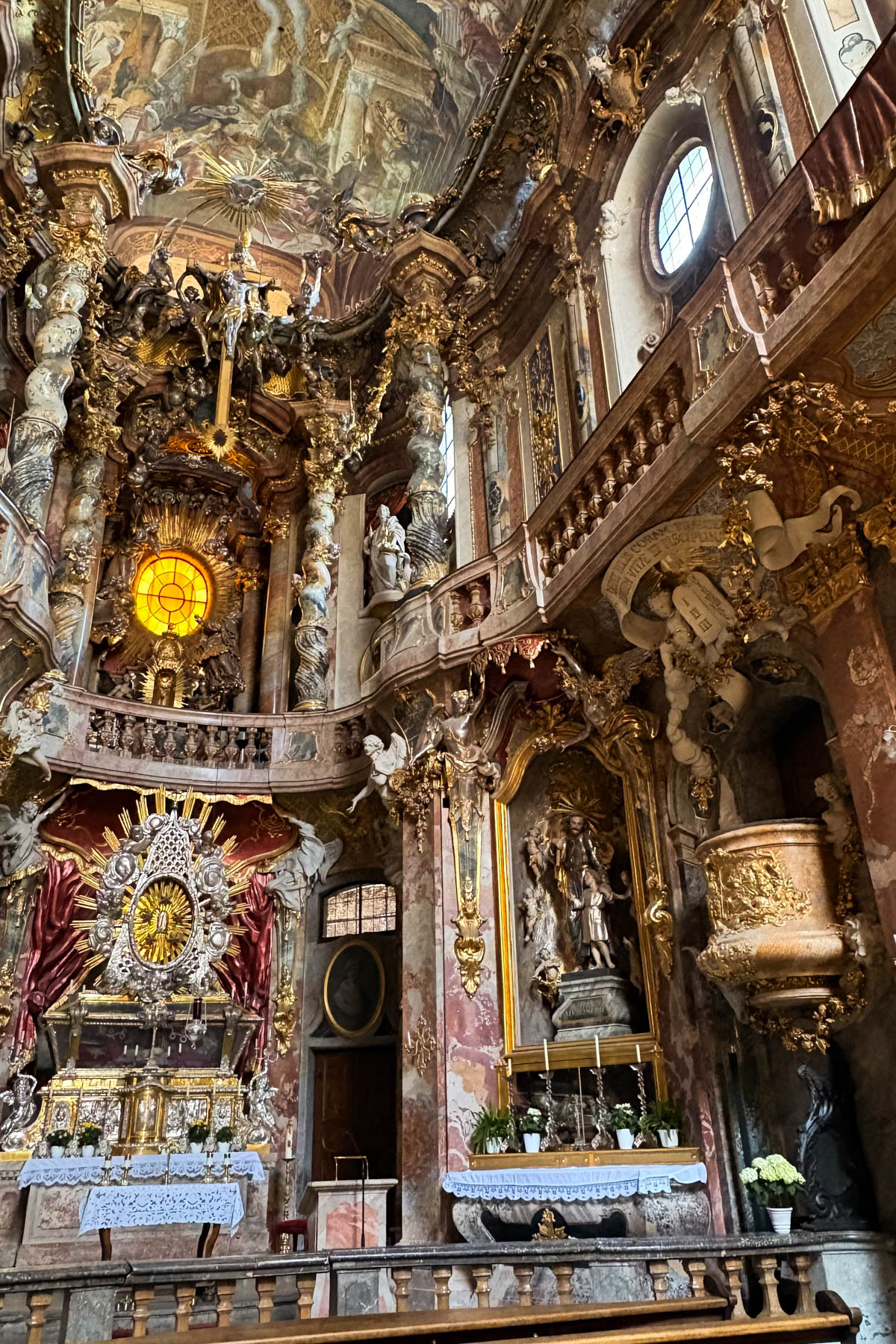
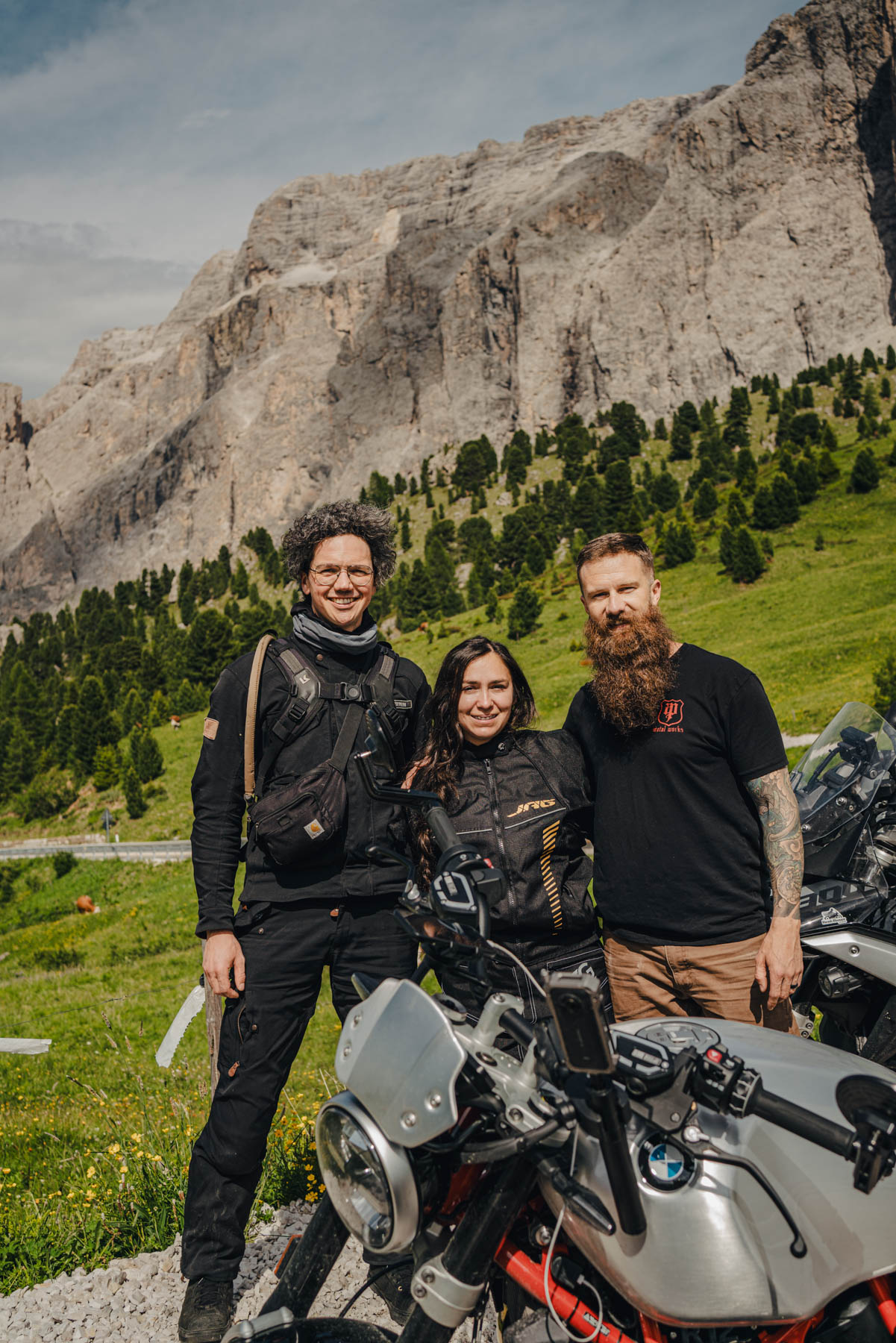
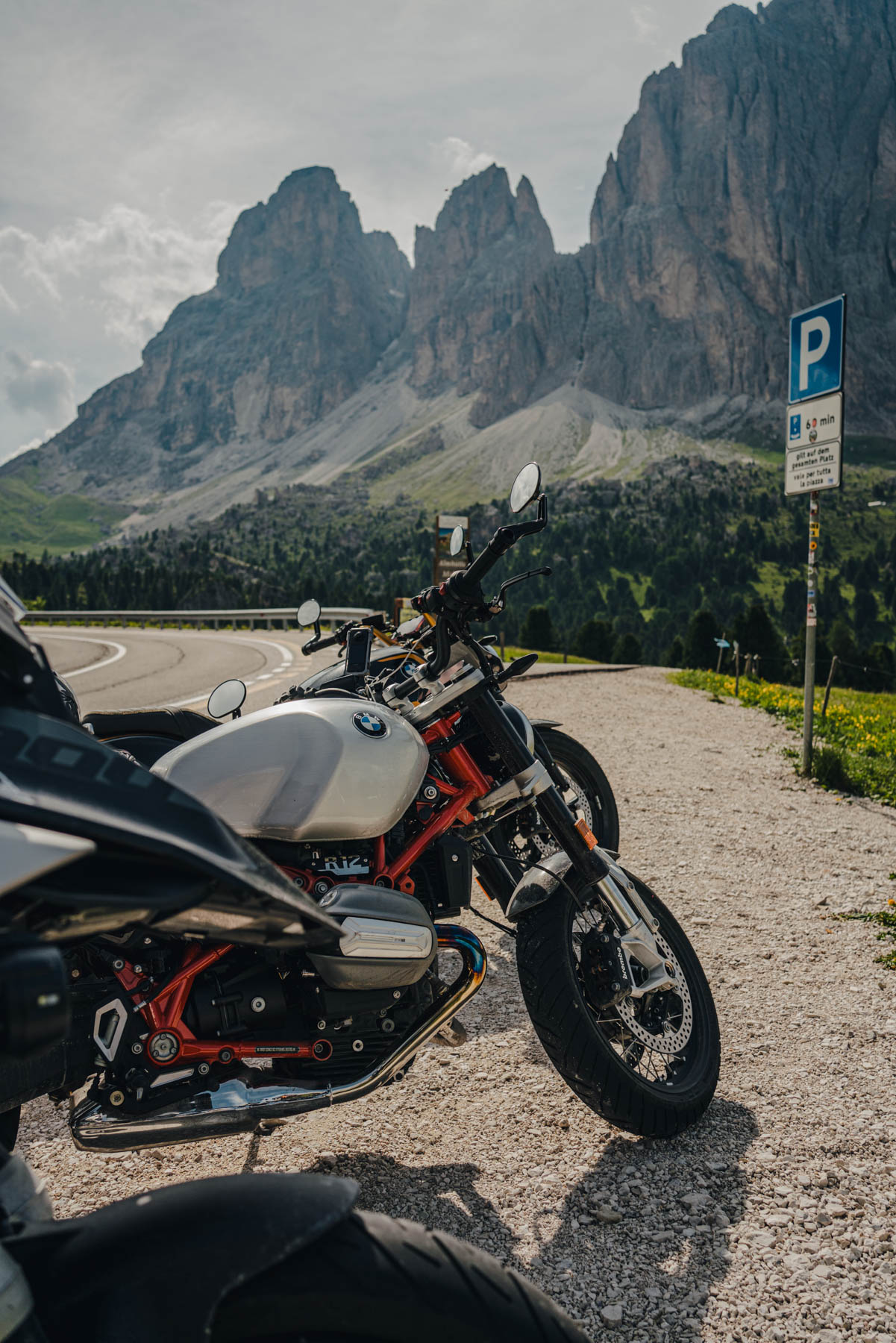
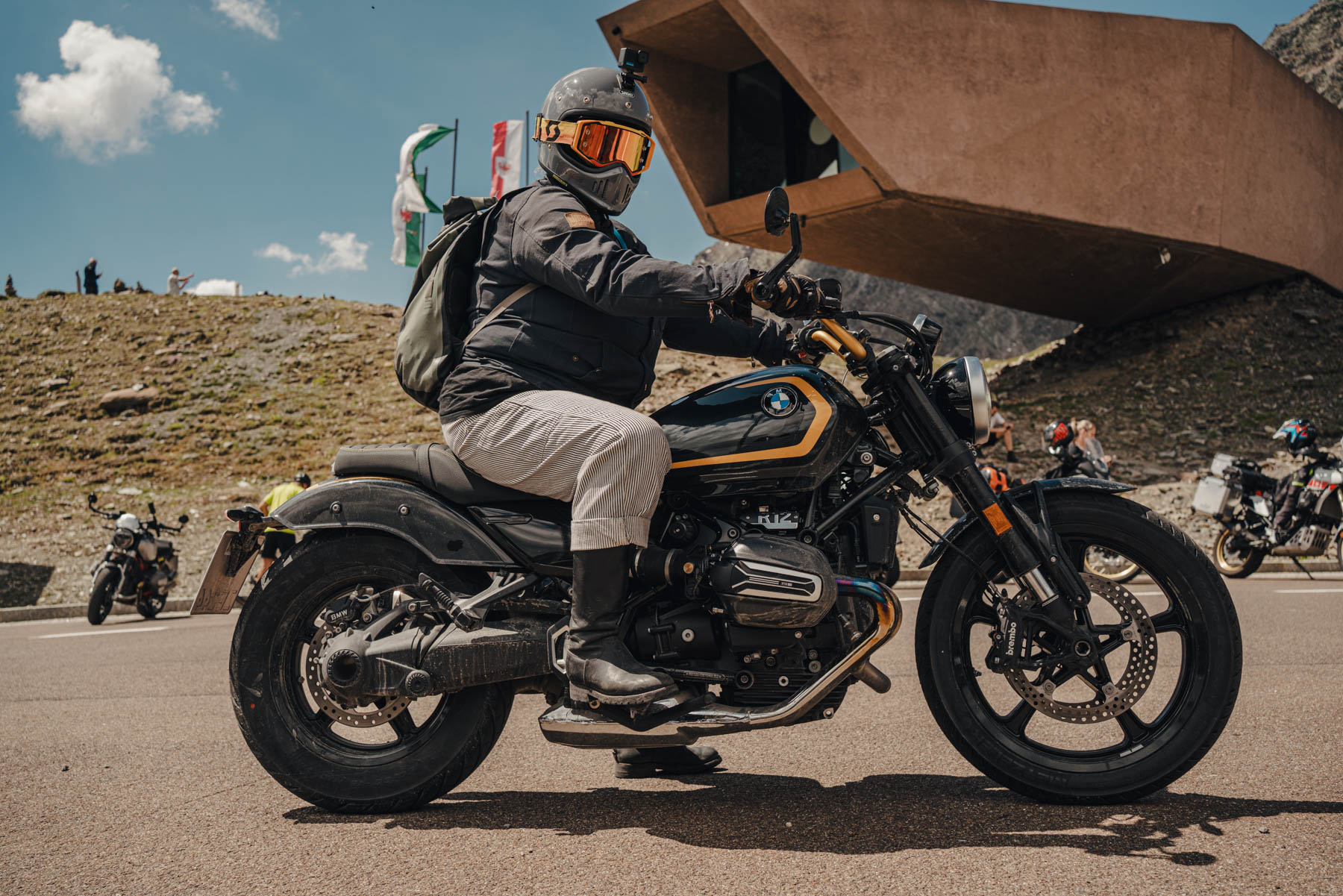
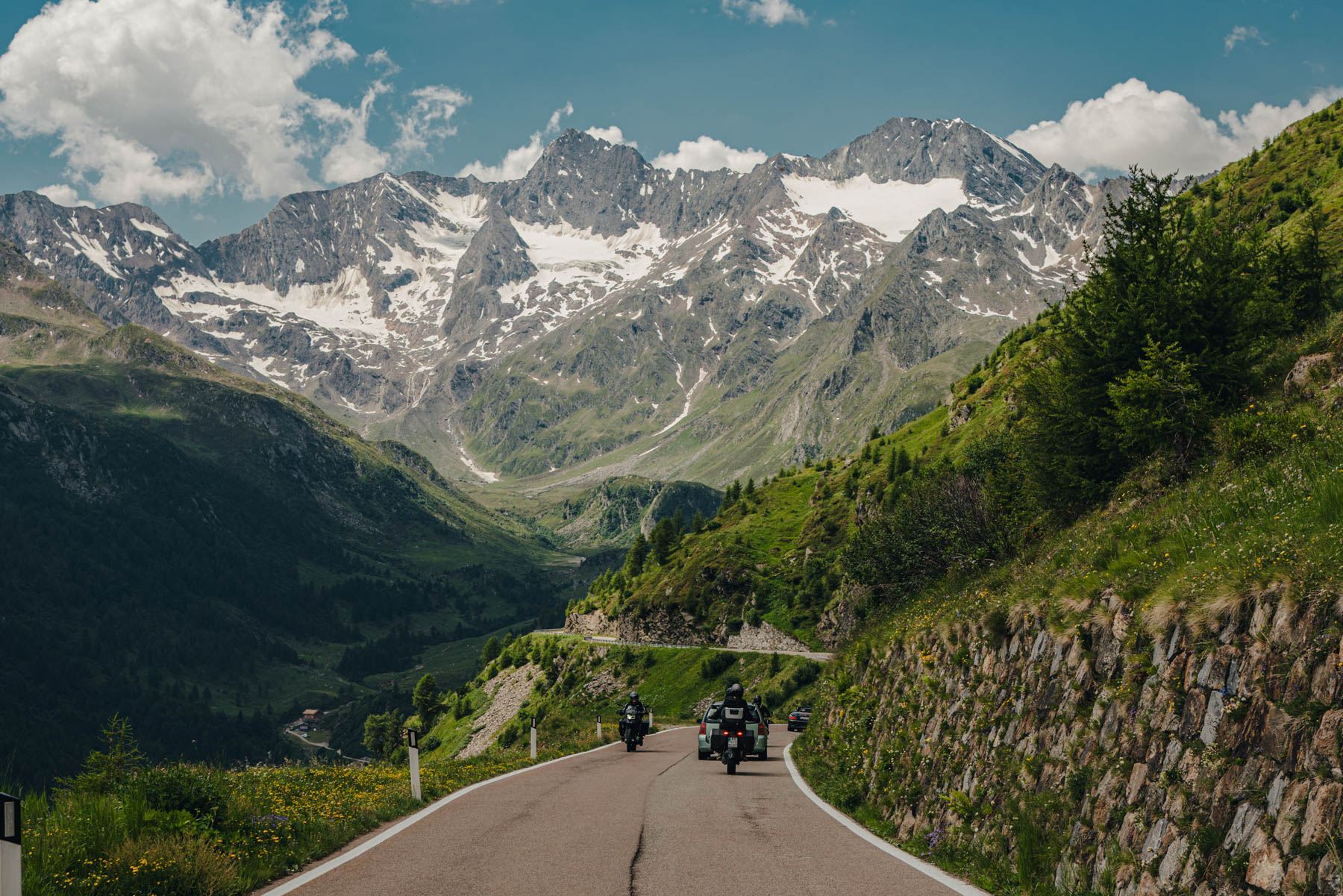
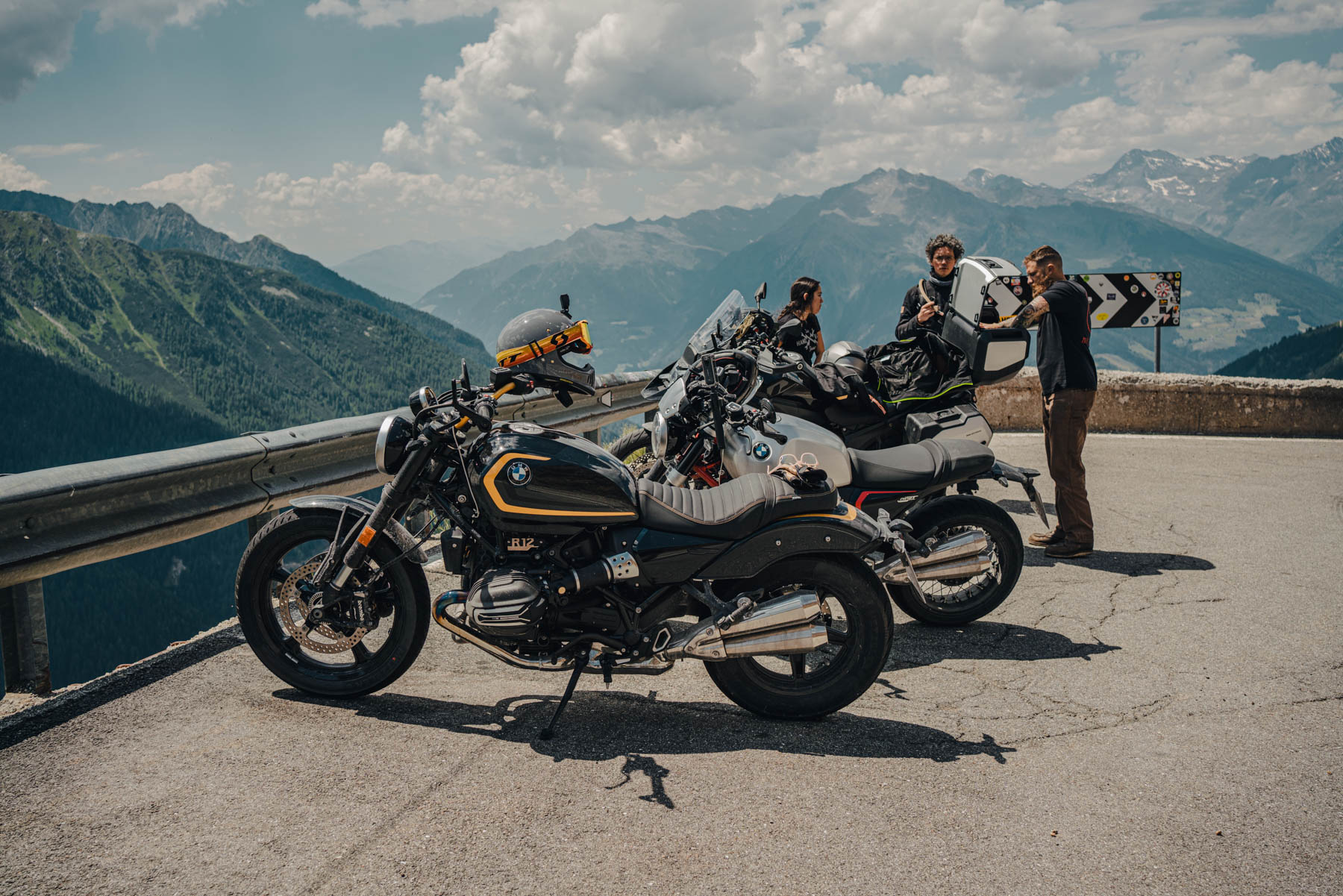
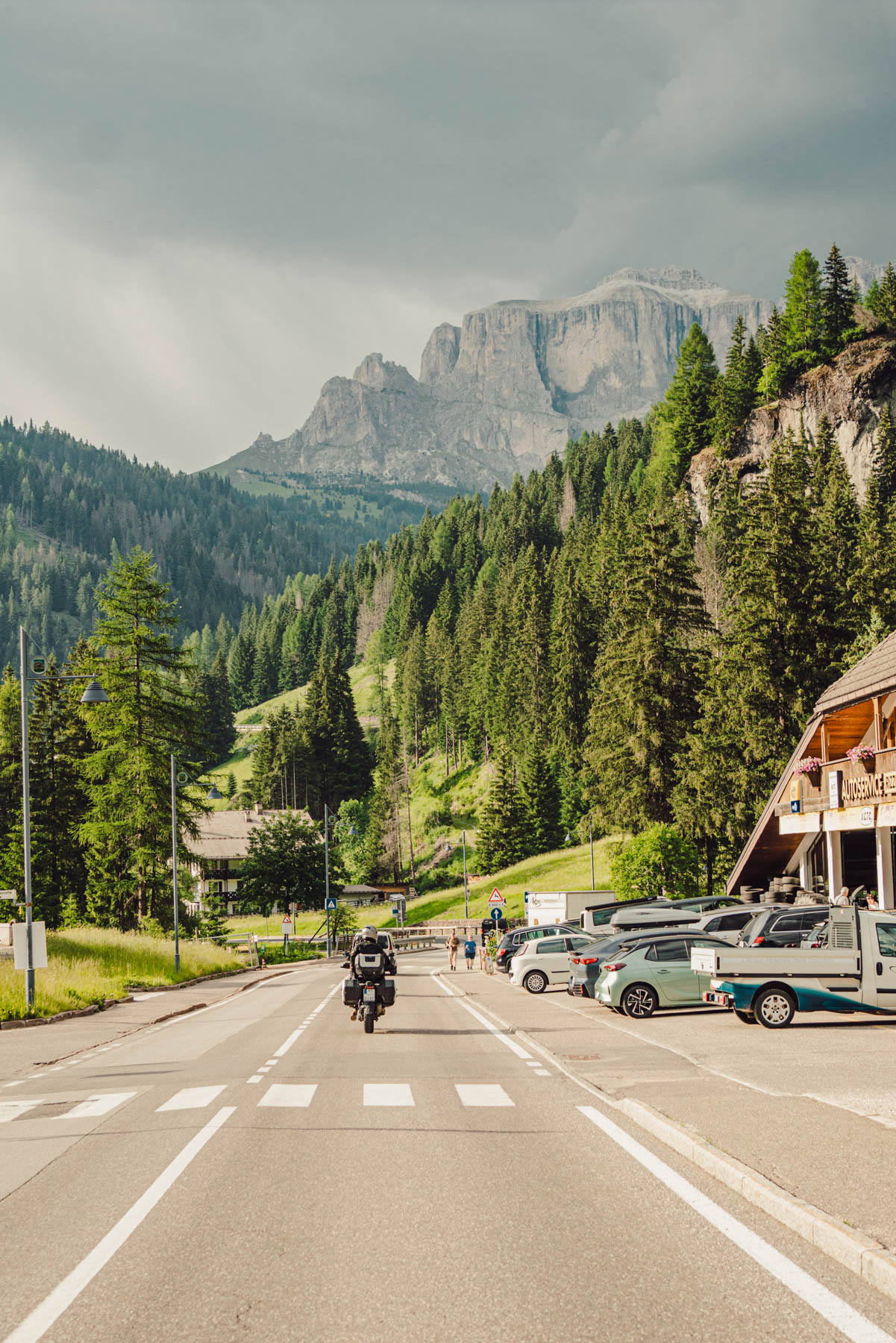
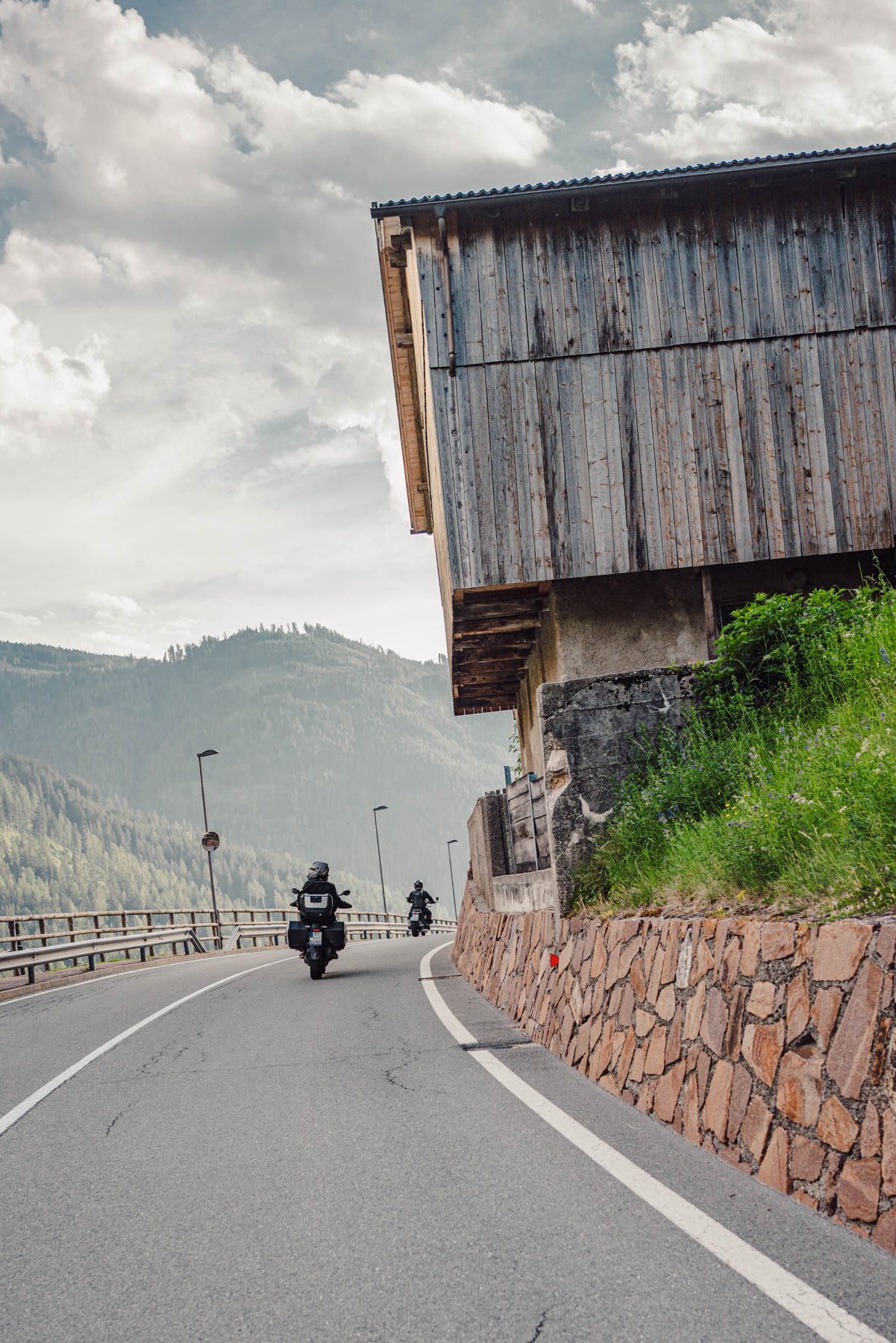
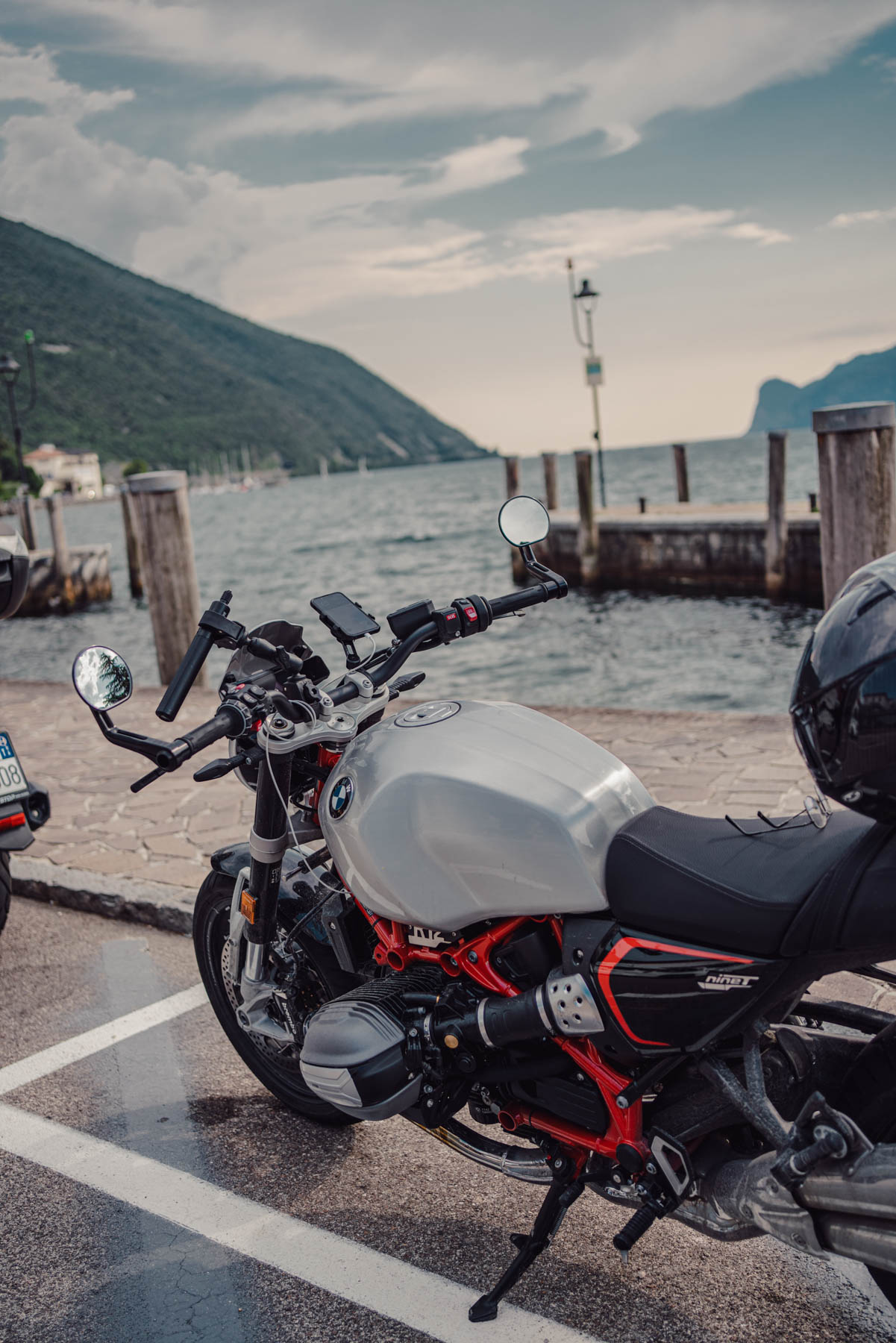
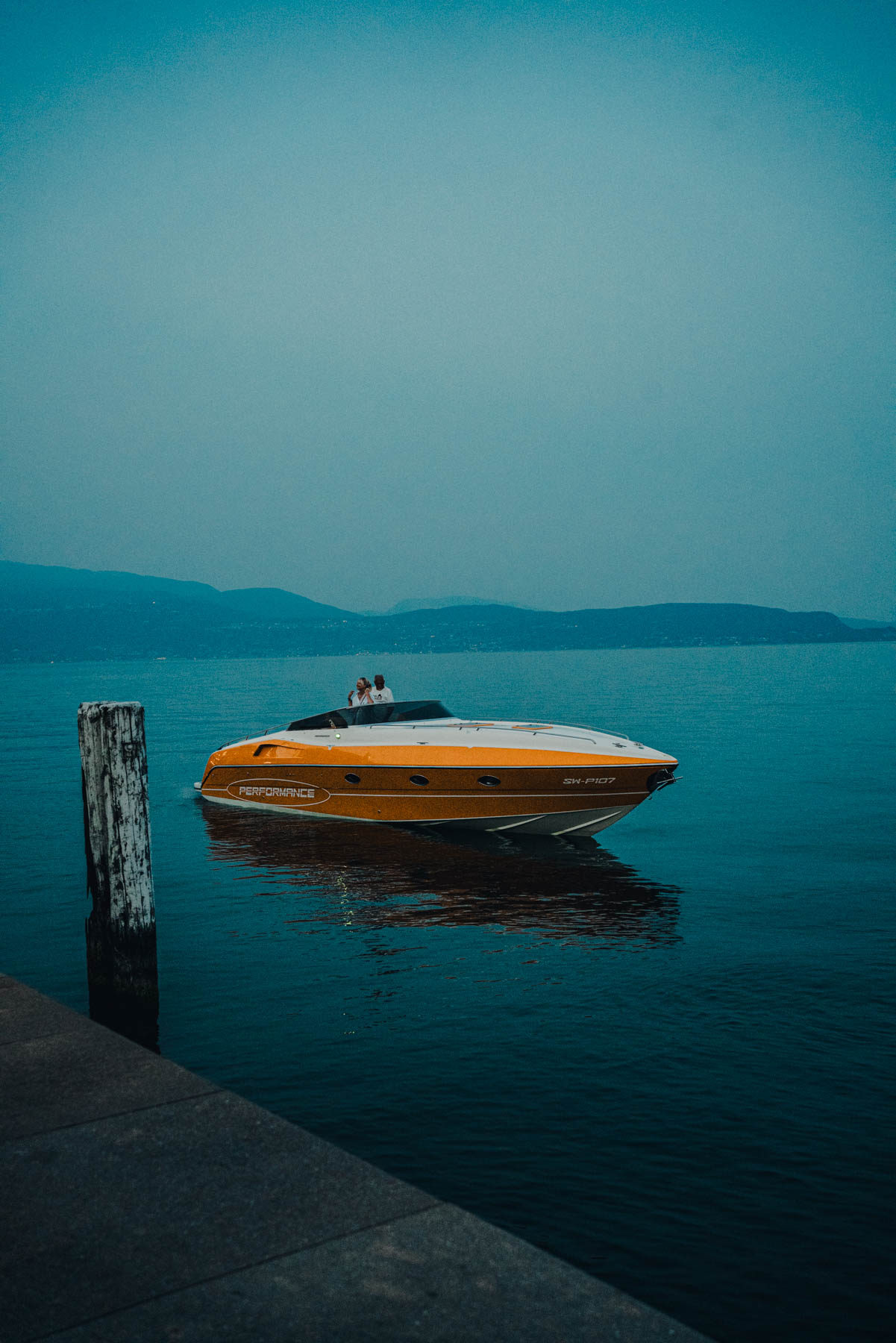
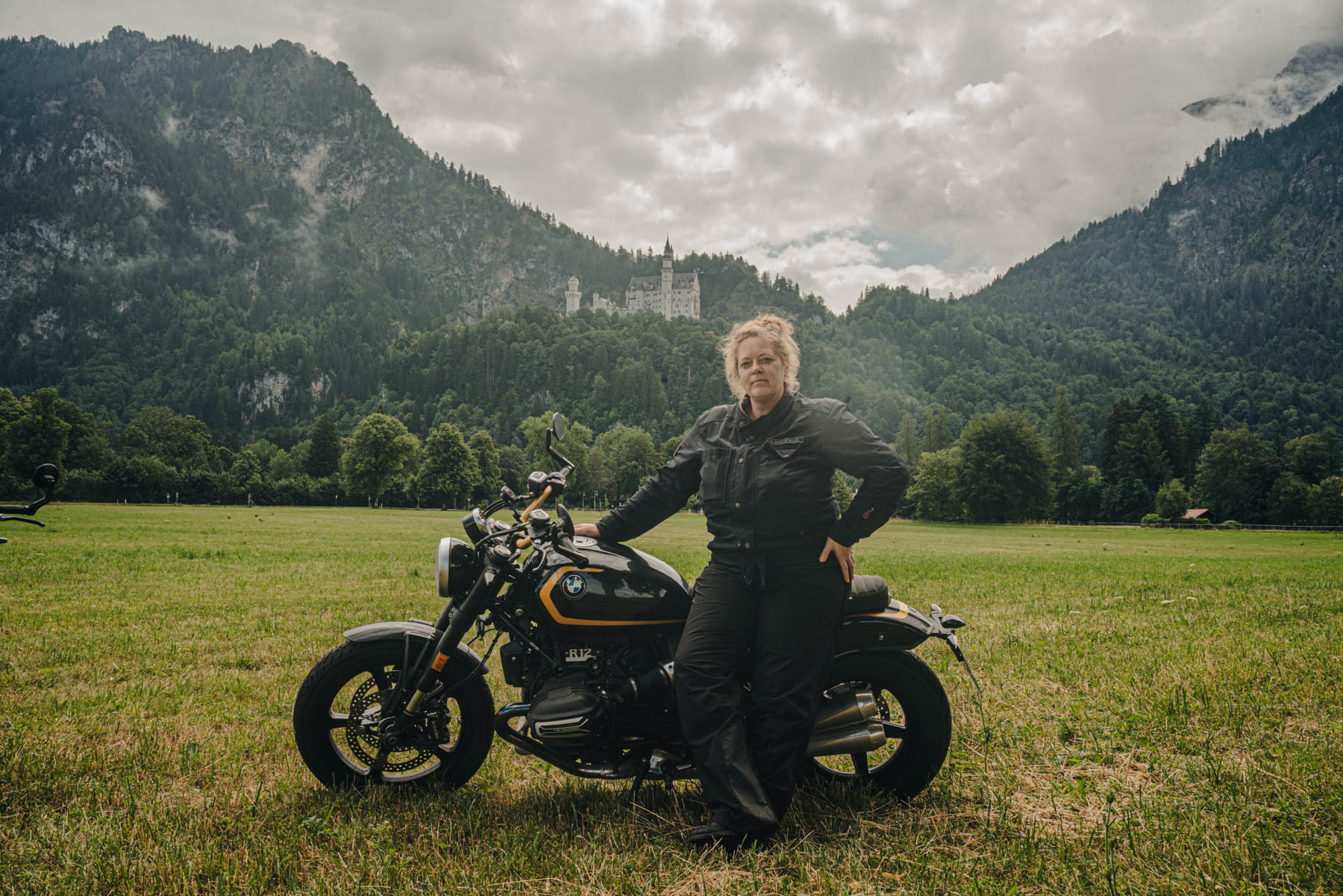
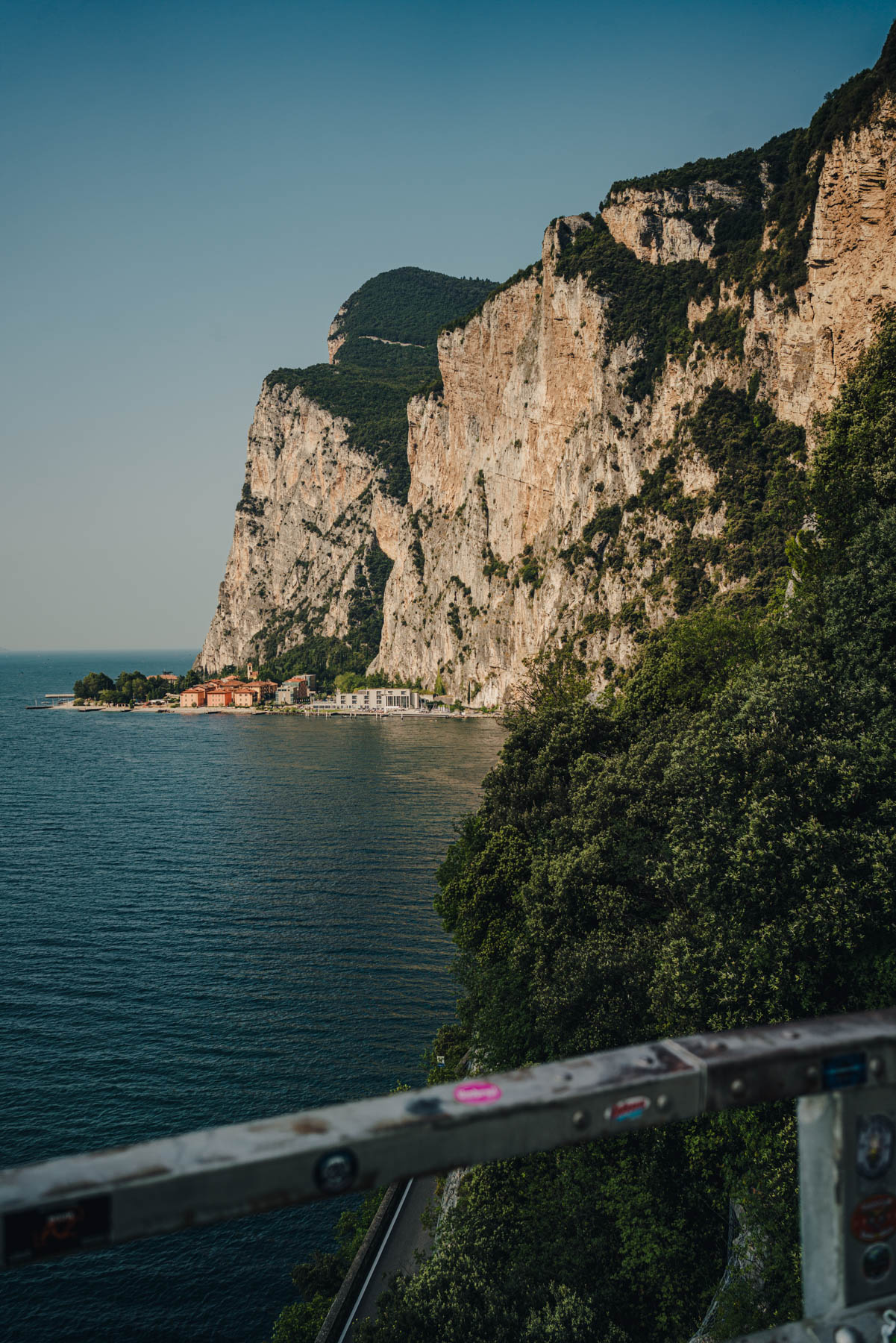
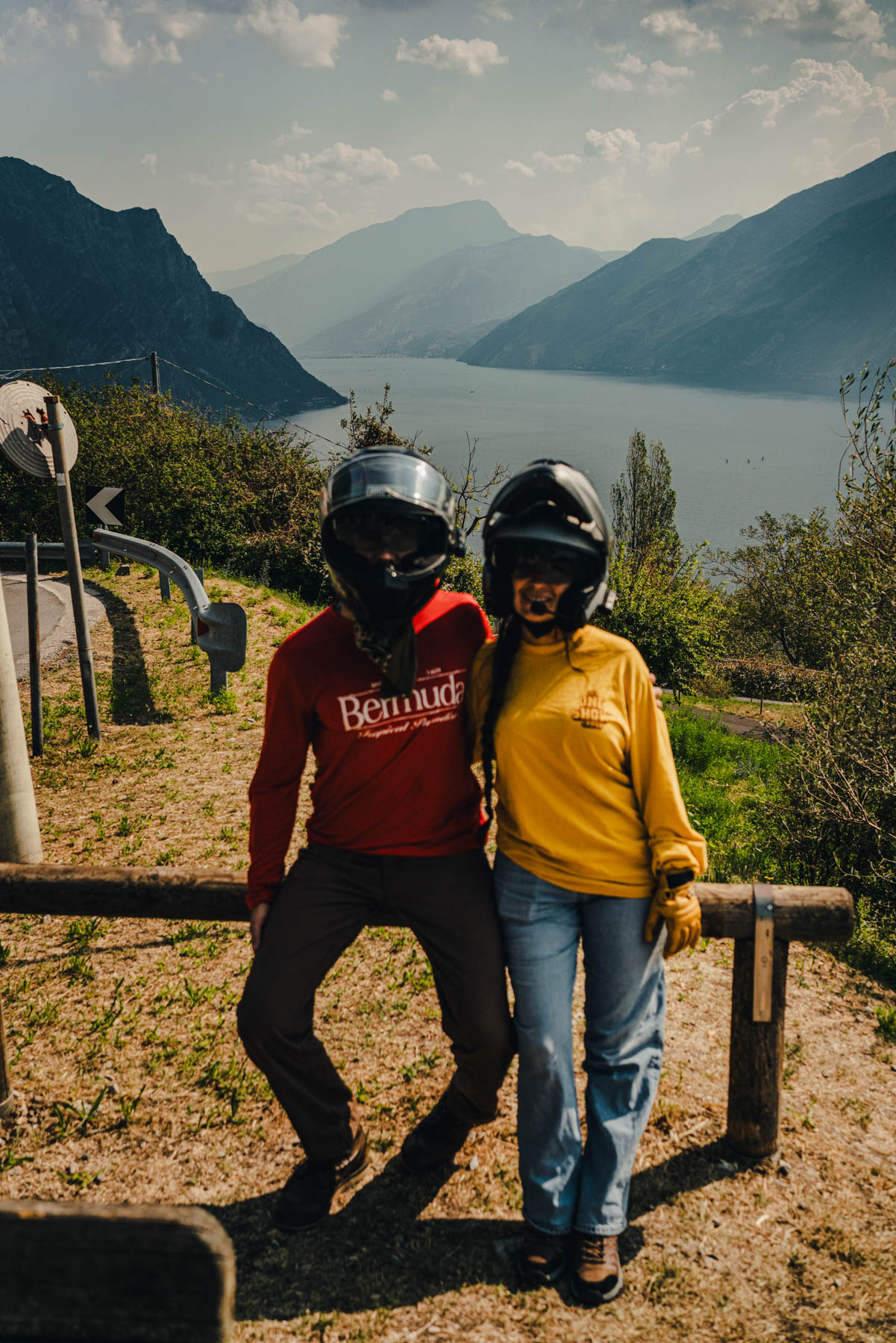
Act One: Munich to Lake Garda, crossing the Dolomites and some of the most spectacular roads in the Alps.
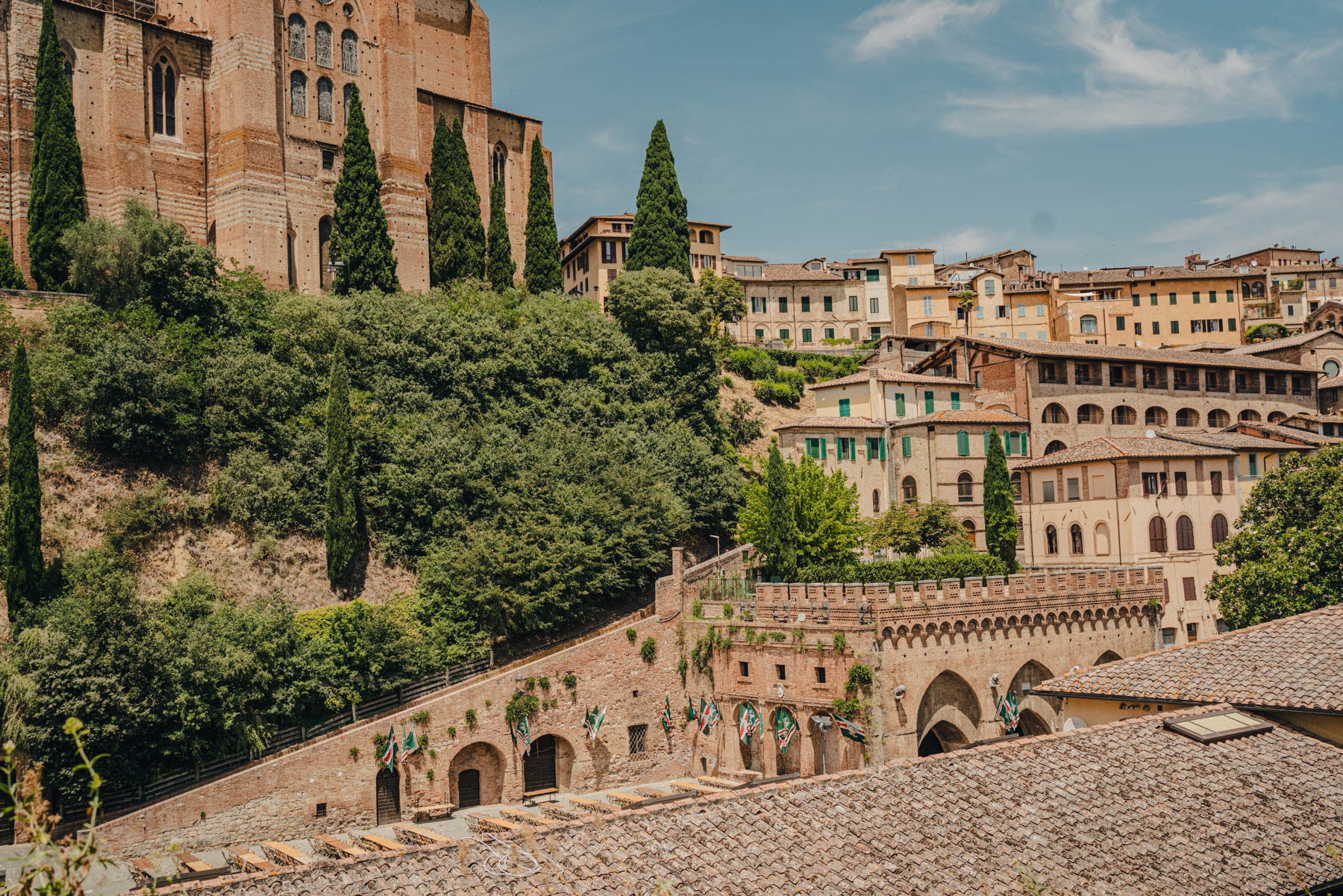
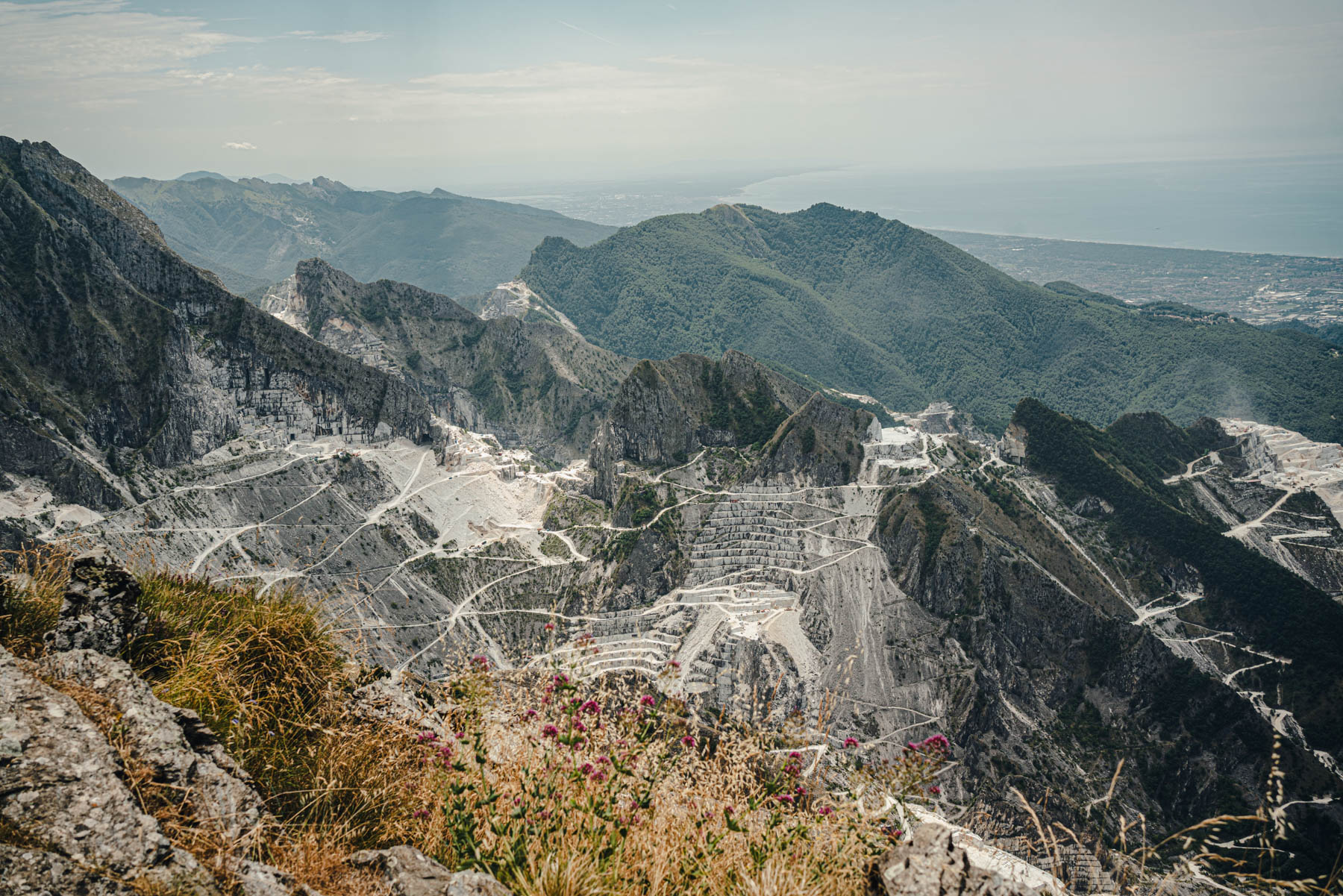
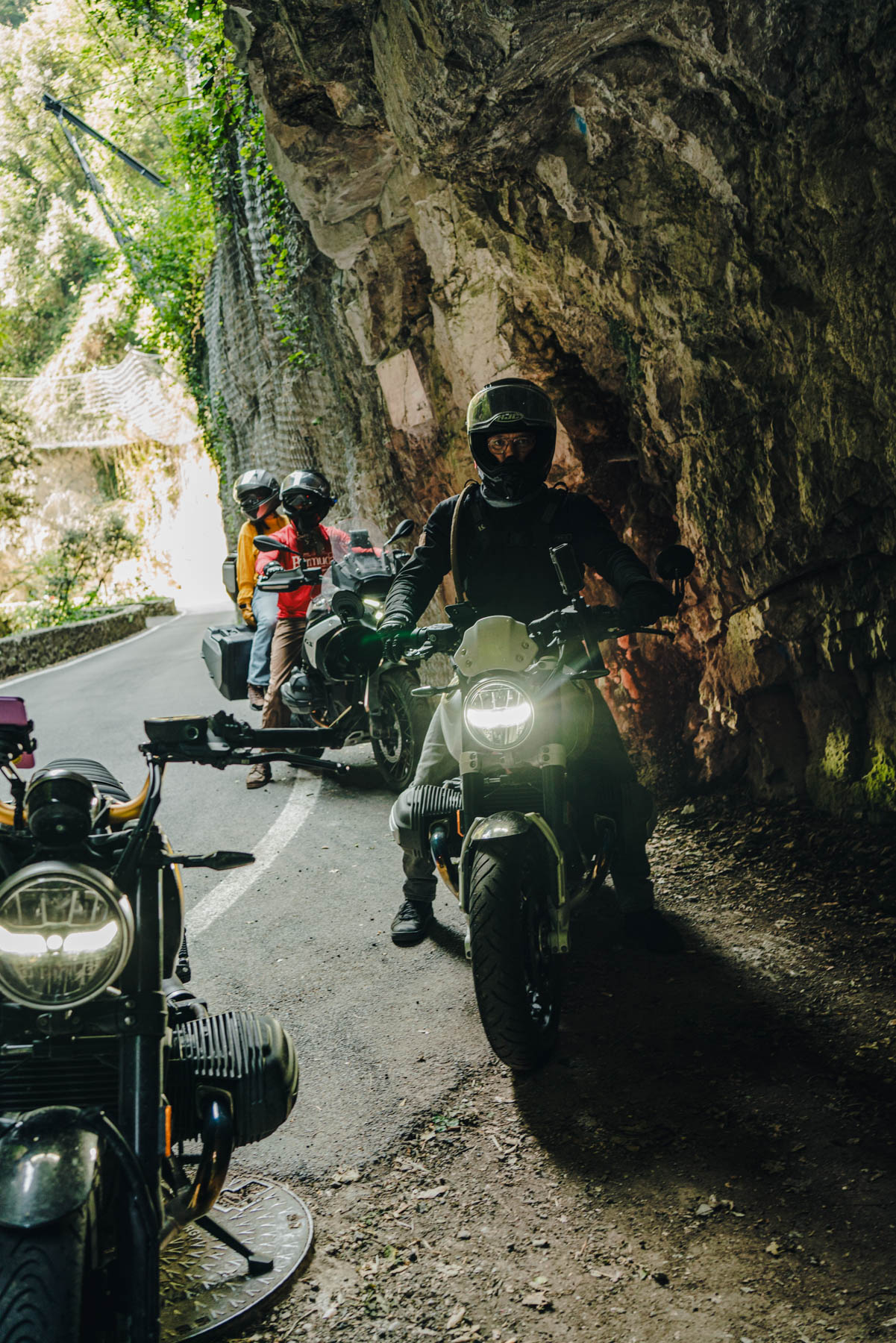
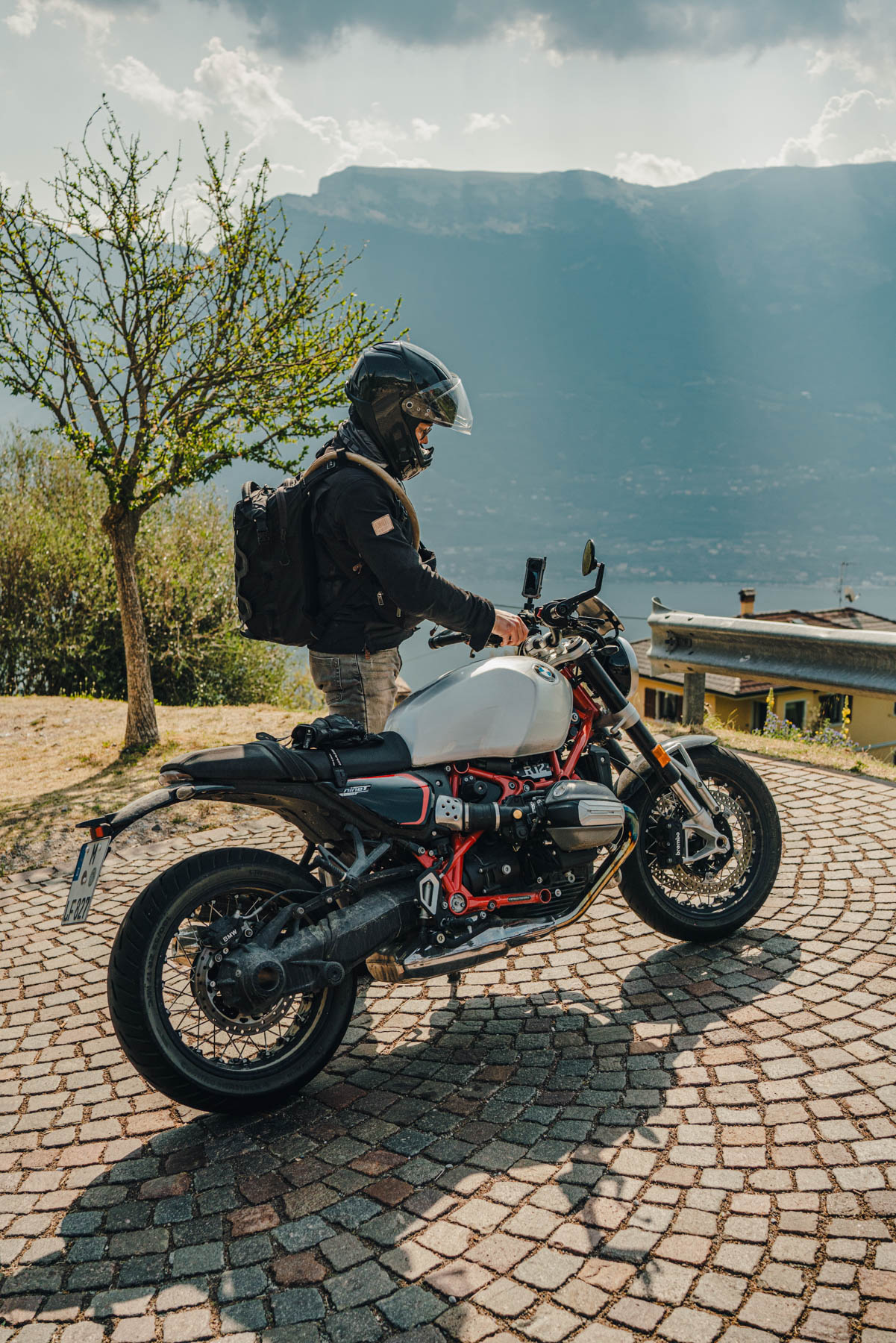
Act Two: Tuscany — medieval towns, Renaissance cities, endless landscapes, extraordinary food and the kind of roads that make you forget where you were heading in the first place.
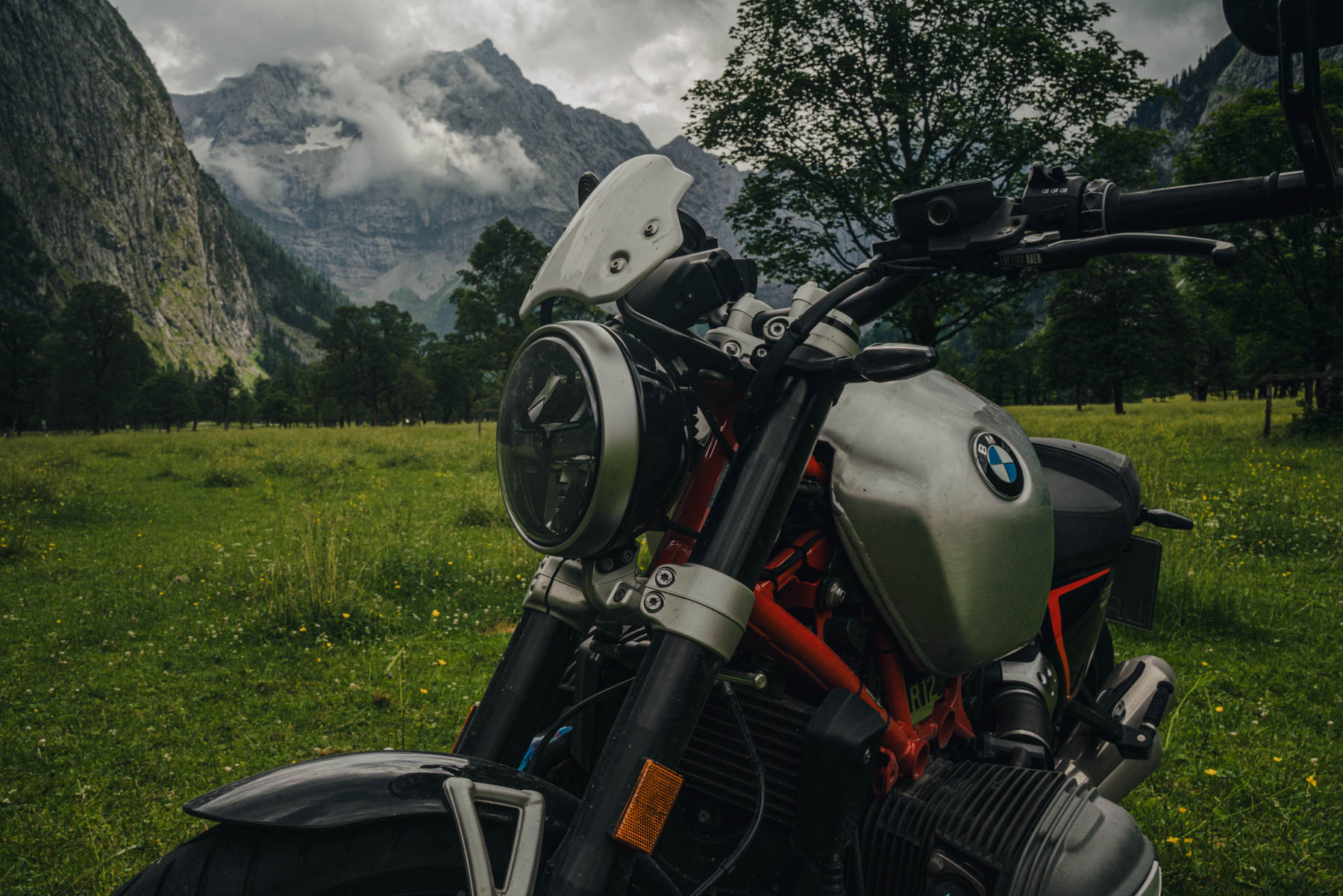
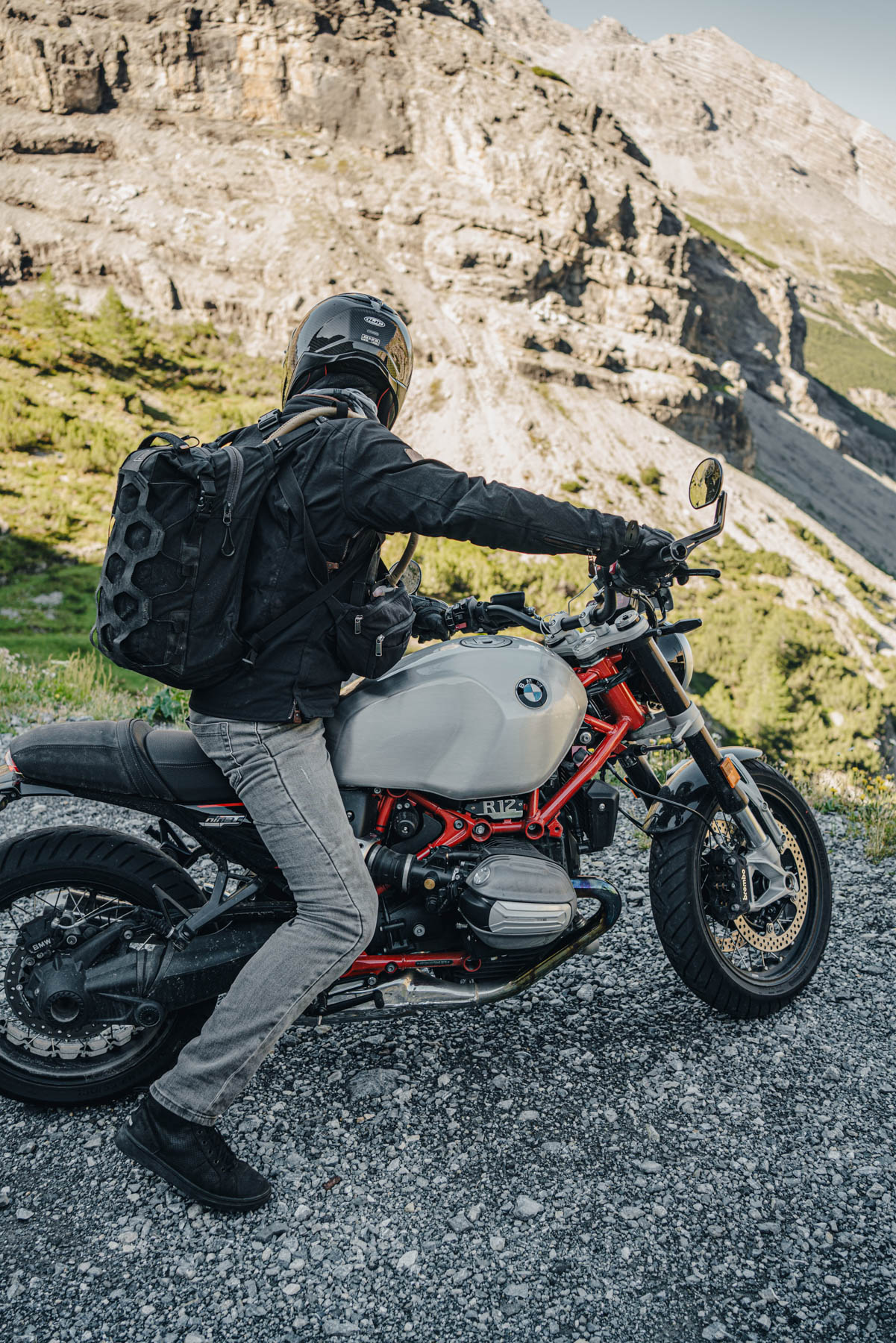
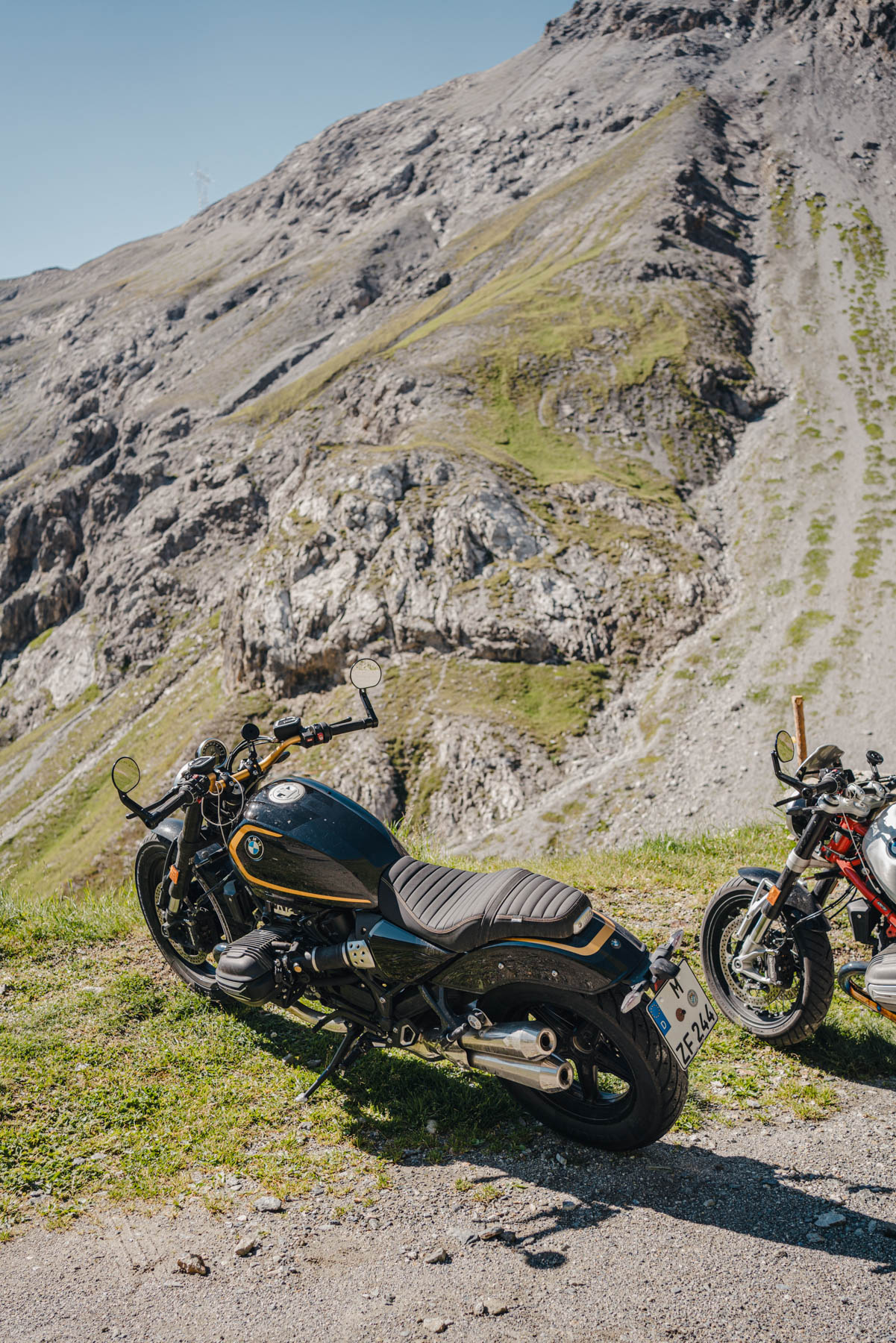
Act Three: The journey home, crossing legendary Alpine passes including the Gavia, Stelvio, Ofenpass and Flüela in Switzerland.
Three very different chapters. One long ride through Italy and the Alps.